fabric vs Ministry of Sound: Which London Institution in 2026?
fabric or Ministry of Sound? Room One's bodysonic floor vs The Box's new KV2 system, three rooms vs four, DJ Mag 13 vs 24, and which club fits which night.
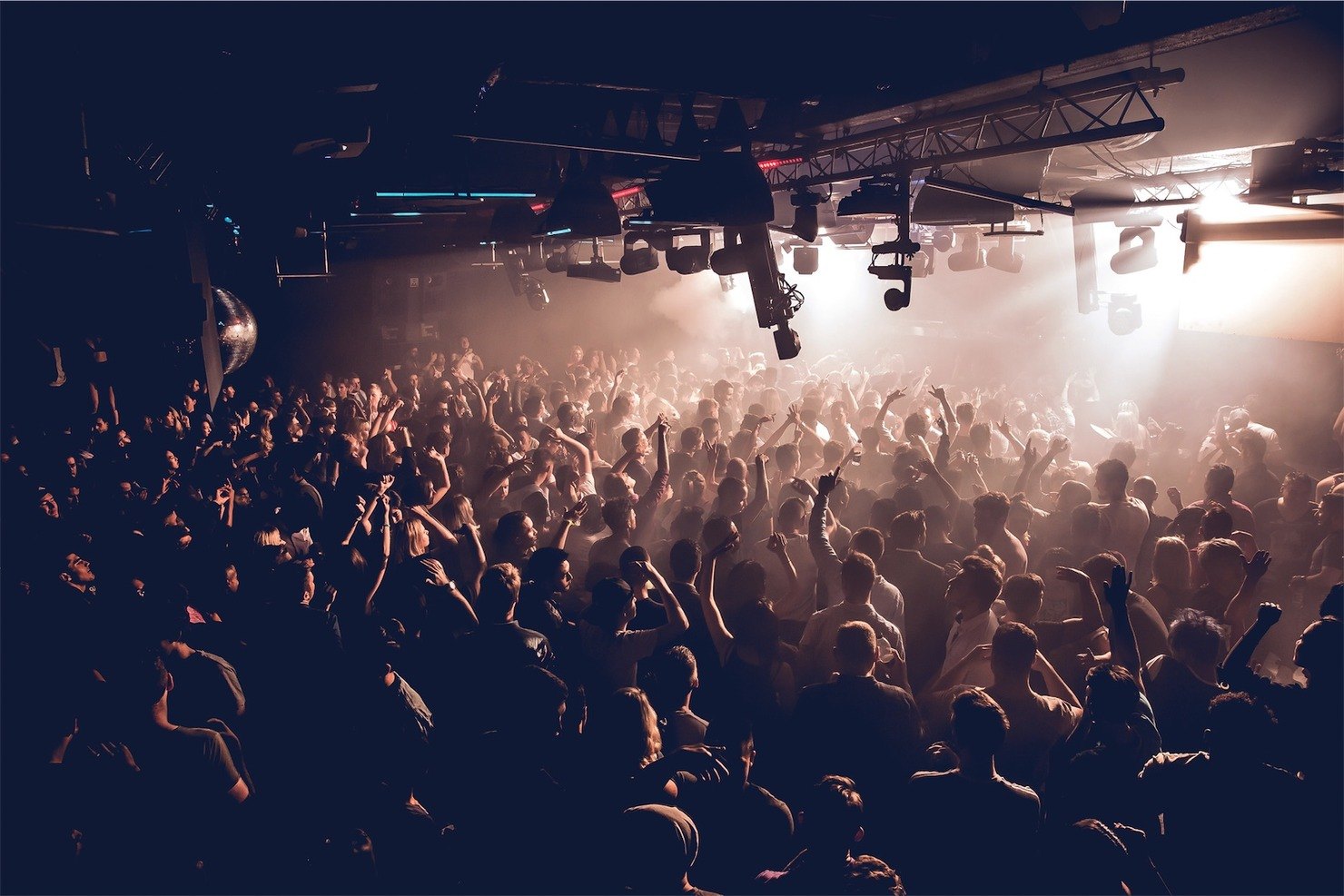
fabric and Ministry of Sound are the two London clubs the rest of the world has heard of, and in 2026 they are both institutions that have just been forced to prove it again. Ministry closed its main room for a month in January and reopened The Box with a new KV2 system, a booth dropped to the floor and 35 years to celebrate. fabric sits at number 13 in the DJ Mag Top 100 Clubs, the highest London placing, ten years on from the licence fight that nearly ended it. Ask a Londoner which is better and you get an argument about age, taste and postcode. Ask a DJ and you get a more useful answer, which is that they are built for different nights. This is the comparison: history, sound, rooms, programming, crowd and which one fits what you actually want.
The short answer
- fabric is the underground institution: three rooms, the bodysonic floor, a 24-hour licence and a programme that runs from Craig Richards' Saturdays to FABRICLIVE's drum and bass Fridays. Choose it for depth, for techno and house done seriously, and for a night that moves between rooms.
- Ministry of Sound is the flagship: the club that became a global brand, four rooms, a main room rebuilt in 2026 around a bespoke KV2 system, and weekends run by a rotating cast of promoter brands and big one-off headliners. Choose it for a headline room, for multi-genre nights under one roof, and for the newest sound system in London.
- If you are choosing on sound alone: The Box after the refit versus Room One's transducer floor is the closest call in the city, and the honest answer is that they are different kinds of loud.
| fabric | Ministry of Sound | |
| Opened | 29 October 1999 | 21 September 1991 |
| Address | 77A Charterhouse Street, Farringdon, EC1 | 103 Gaunt Street, Elephant and Castle, SE1 |
| Capacity | about 1,600 (Resident Advisor venue listing) | 1,555 (Southwark Council premises licence) |
| Rooms | Room One, Room Two, Room Three | The Box, 103, The Baby Box, The Loft |
| Signature | Bodysonic dancefloor, 36 Powersoft transducers since January 2025 (over 450 before) | The Box: KV2 system installed January 2026, booth at floor level |
| DJ Mag Top 100 Clubs 2026 | 13, down one | 24, down two |
| Weekly shape | FABRICLIVE and Forms on Fridays, fabric Saturdays | Rotating promoter brands on Fridays and Saturdays (Blink, Parable, Smoove, URGE, Housekeeping), Milkshake on Tuesdays |
| Nearest station | Farringdon (Elizabeth line, Thameslink, Underground) | Elephant and Castle (Northern and Bakerloo lines) |
Two histories that explain everything
Ministry came first. It opened on 21 September 1991 in a disused bus garage on Gaunt Street, founded by James Palumbo, Justin Berkmann and Humphrey Waterhouse, and its founding idea was a New York one: Berkmann had been to Paradise Garage and wanted a London room built around the sound system rather than the bar. The original investment in the system was famously around half a million pounds, and the club won the IDMA World's Best Sound System award four years running. From that base it became the thing no other club managed: a brand. The compilation label, the merchandise, the radio, the global tours; by the time Sony bought the recorded-music business in 2016 the name meant something in places that had never heard of Gaunt Street.
fabric opened eight years later, on 29 October 1999, in the former Metropolitan Cold Stores opposite Smithfield Market, and it was in some ways the answer to what Ministry had become. Where Ministry went outwards, fabric went down: three rooms in a brick cellar, a resident-led programme with Craig Richards and Terry Francis on Saturdays, and a sound system designed to be felt through the floor. It never tried to be a brand. It tried to be a club, and it became the club that international DJs measure London by. The 2016 licence revocation, after two drug deaths, and the campaign that reversed it that November, with a mass petition and a crowdfunded legal fund that passed £200,000, is the moment the city decided fabric was infrastructure rather than a business. It reopened in January 2017 under new conditions and has run since. I covered the wider pressure on rooms like it in why London clubs are closing.
Sound: the floor versus the refit
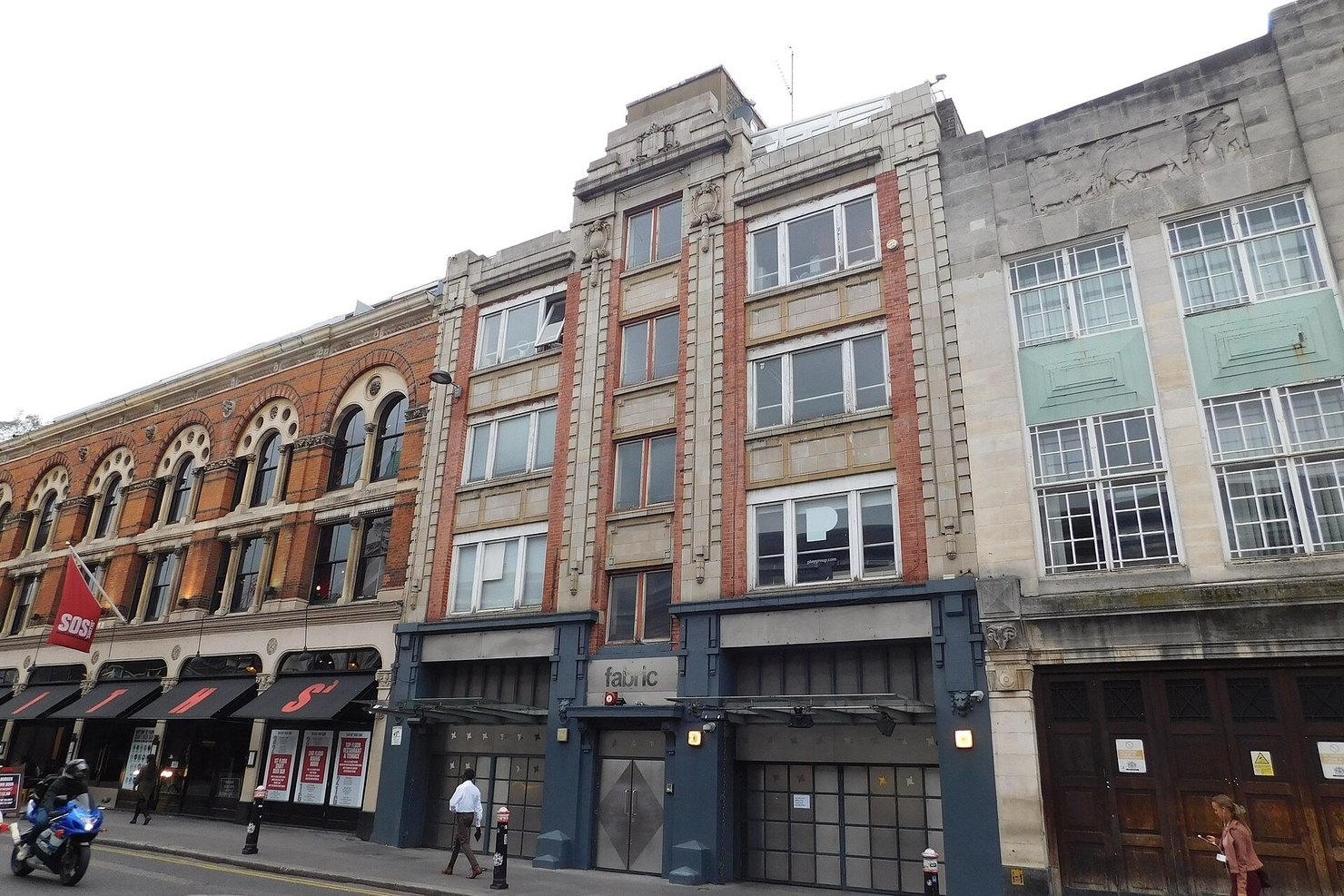
fabric's Room One is built on the bodysonic dancefloor, where 36 Powersoft transducers, fitted in January 2025 in place of more than 450 originals, make the low end physically vibrate up through the soles of your feet. It is the most distinctive physical experience in London clubbing and the reason producers talk about testing a record on it. Room Two is harder and higher, with the raised booth; Room Three is the small room where things get loose. The system is old in the best sense: it has been tuned to those rooms for a quarter of a century, refined rather than replaced when Room One was renovated in 2024 and 2025, and a DJ knows what a kick drum will do in each of them.
Ministry's answer, as of this year, is new. The Box closed throughout January 2026 and reopened on 30 and 31 January with a bespoke six-point KV2 system, pairs of SL412 tops flown at the front, middle and rear of the room, with VHD subwoofers underneath, replacing the system that had held the room since the Dolby Atmos era. The DJ booth was rebuilt as a modular structure that can be lowered to dancefloor level, into the crowd, a new VIP deck now sits behind it, an overhead lighting structure of LED bars, screens and reflective frames was designed by Lucid Creates, and the room's capacity went up. The relaunch weekend had Kölsch back-to-back with Pete Tong and Lauren Lo Sung, and the 35th-anniversary programme that followed ran through Todd Terje, Ron Trent, Joe Claussell, Eats Everything and Tony Humphries.
So the comparison in 2026 is a 26-year-old floor that has never been bettered, retrofitted rather than replaced in January 2025, against a nine-month-old system that is the newest of its kind in the city. As a DJ my honest read is this: Room One is the more physical room and The Box is now the more precise one. If you want to feel the bass in your chest, fabric. If you want to hear every element of a well-mixed house record at volume, Ministry, at least until fabric answers.
Rooms and programming: depth versus headline
fabric's week is split by night and it pays to know it. Fridays are FABRICLIVE and Forms: drum and bass, jungle, grime, UK garage and bassline on the FABRICLIVE side, house and disco on Forms, and the FABRICLIVE 27th birthday lands on 16 October 2026. Saturdays are the four-to-the-floor flagship, house, techno, electro and minimal from international names, with the residents as the spine. The club holds a 24-hour licence, one of a small handful in London, which is why a fabric Saturday can list a 7am close: Rødhåd's Halloween night on 31 October runs 11pm to 7am, and the NYE 2026 guide tracks New Year's Eve. The programme is deep rather than wide; you go for the room and trust the booking.
Ministry's week is built around brands, and in 2026 they rotate. Fridays and Saturdays go to a cast of promoter nights, Blink, Parable and Smoove on Fridays, URGE, Housekeeping and Audiowhore among the Saturdays, alongside one-off headliners such as Bob Sinclar in September; Tuesdays are Milkshake, which the club calls London's busiest and longest-running student night. The 35th birthday lands on the first weekend of October, with Andy C playing a three-hour set on Friday 2 October, then Kerri Chandler and Moodymann in the daytime and URGE with Loco Dice at night on Saturday 3 October. Trance fans now look to Drumsheds for A State of Trance on 14 November rather than to a weekly Friday at Gaunt Street. The four rooms let a Saturday run a headline room and three different tempos at once, and after the refit The Box is the room every brand wants. It is a wider programme than fabric's and a less predictable one, which is a compliment or not depending on what you want from a Saturday.
Crowd, area and getting home
Farringdon has changed around fabric: the Elizabeth line put the club a few minutes from most of London, Smithfield Market next door is becoming the new Museum of London, and the crowd at fabric is the most international of any London club, because it is the one on every visiting DJ's list. Elephant and Castle has changed around Ministry too, with the towers going up on every side, and the club spent the 2010s fighting to keep the developers from putting flats close enough to complain. Its crowd is younger and more London, with the student night and the brand Saturdays pulling from different ends of the city.
Practically: fabric is on Farringdon's doorstep, and Thameslink's overnight trains plus the first Elizabeth line services make the 7am finishes survivable. Ministry is a five-minute walk from Elephant and Castle on the Northern and Bakerloo lines, and the night buses on the Elephant roundabout go everywhere. Neither is a difficult journey; fabric's late finishes just make the Elizabeth line the deciding factor for anyone in the east or west.
Which club for which night?
- Techno and house done seriously, all night: fabric on a Saturday.
- Drum and bass, jungle and bass music: fabric on a Friday, FABRICLIVE.
- Big-room house and disco with a name you know: Ministry on a Saturday, from URGE and Housekeeping to one-off headliners.
- Trance: neither runs a weekly trance night in 2026; Ministry hosts occasional trance parties, and fabric does not really do it. The big date this autumn is A State of Trance at Drumsheds on 14 November.
- One of the newest main-room systems in London: Ministry, The Box, since January 2026; every London room is ranked in the best club sound systems guide.
- The most distinctive sound system in London: fabric, Room One, since 1999.
- A night that finishes after sunrise: fabric, on the nights the 24-hour licence is used.
- A first big London club night for someone new to the city: Ministry, because the layout and the programme are easier to read; then fabric once they know what they like.
For where these two sit against the newer rooms, FOLD, E1, Onyx and Drumsheds, read FOLD vs fabric vs E1 vs Drumsheds, and for the whole map the best London clubs guide. The October dates at both are in the October 2026 club calendar, and both have a Halloween plan in the Halloween guide.
FAQ
Is fabric or Ministry of Sound better?
They are built for different nights. fabric is the deeper, more underground club, with three rooms, the bodysonic floor and a resident-led programme of house, techno and bass music. Ministry of Sound is the flagship, with four rooms, The Box rebuilt in 2026 around a new KV2 system, and weekends run by rotating promoter brands and big headliners. Pick fabric for depth and late finishes, Ministry for headline scale and the newest system in the city.
What is the capacity of fabric and Ministry of Sound?
fabric holds about 1,600, the figure on its Resident Advisor venue listing, as its Islington licence sets no fixed number; Ministry's Southwark Council premises licence caps it at 1,555. fabric spreads its crowd across three rooms; Ministry across four, The Box, 103, The Baby Box and The Loft, with The Box's own capacity increased by the January 2026 refit.
Which has the better sound system?
fabric's Room One has the bodysonic dancefloor, rebuilt in January 2025 with 36 Powersoft transducers in place of more than 450 originals, the most physical low end in London. Ministry's The Box reopened in January 2026 with a bespoke six-point KV2 system and a booth that lowers to floor level, the newest club system in the city. One is felt, the other is heard; both are reference-quality.
When did fabric and Ministry of Sound open?
Ministry of Sound opened on 21 September 1991 in a former bus garage on Gaunt Street, Elephant and Castle. fabric opened on 29 October 1999 in the former Metropolitan Cold Stores on Charterhouse Street, Farringdon.
What happened to fabric in 2016?
Islington Council revoked its licence in September 2016 after two drug-related deaths. A campaign backed by a mass petition and a crowdfunded legal fund of more than £200,000 won the licence back that November under new conditions, and the club reopened in January 2017.
What changed at Ministry of Sound in 2026?
The Box, the main room, closed for January 2026 and reopened on 30 and 31 January with a bespoke KV2 sound system replacing the previous rig, a modular DJ booth that can be lowered to dancefloor level, a new overhead lighting structure and extra capacity, ahead of the club's 35th anniversary.
Which nights are which at fabric?
Fridays are FABRICLIVE, for drum and bass, jungle, grime, UK garage and bassline, and Forms, for house and disco. Saturdays are the house and techno flagship, with residents Craig Richards and Terry Francis at the centre of the club's identity.
Which nights are which at Ministry of Sound?
In 2026 Fridays and Saturdays rotate between promoter brands, among them Blink, Parable and Smoove on Fridays and URGE, Housekeeping and Audiowhore on Saturdays, plus one-off headliners. Tuesdays are Milkshake, the student night. The 35th birthday weekend is 2 and 3 October, with Andy C, Kerri Chandler and Moodymann, and Loco Dice.
Sources
- DJ Mag Top 100 Clubs 2026 entries for fabric and Ministry of Sound; Wikipedia entries for both clubs
- DJ Mag, Resident Advisor, Time Out, AV Magazine and KV2 Audio on the January 2026 refurbishment of The Box (KV2: six SL412, eight VHD4.21 and six VHD2.16, refit from 7 January, reopening 30 January)
- fabric, "We've upgraded our dancefloor", and Mixmag, 3 February 2025, on the January 2025 Room One floor upgrade and the 2024 Room One sound system work
- Time Out, February 2026, on London's 24-hour licences; fabric, Ministry of Sound and Resident Advisor listings for June to November 2026 (FABRICLIVE 27th birthday 16 October, Rødhåd 31 October 23:00 to 07:00, Ministry's 35th birthday weekend, A State of Trance at Drumsheds 14 November)
- Ministry of Sound, About page (four rooms, KV2 system, Lucid Creates) and Club FAQ (Milkshake); DJ Mag Top 100 Clubs 2026 table (fabric 13, Ministry of Sound 24)
- Capacity: Southwark Council licensing register, Ministry of Sound premises licence; Resident Advisor venue listing and Islington Council licensing register for fabric
This guide is part of House of MNEEMO's ongoing coverage of the electronic and club music scene, written by London-based DJ and producer MNEEMO, with millions of streams to his name and a party series running through some of London's best clubs. For the four-way comparison with the newer rooms, read FOLD vs fabric vs E1 vs Drumsheds.