Why London's Biggest Raves Now Finish at 10:30pm
Drumsheds closes at 22:30, Ironworks at 22:00. Licensing, trains, bar takings and a new crowd moved London's biggest floors into daylight. A DJ on the cost.
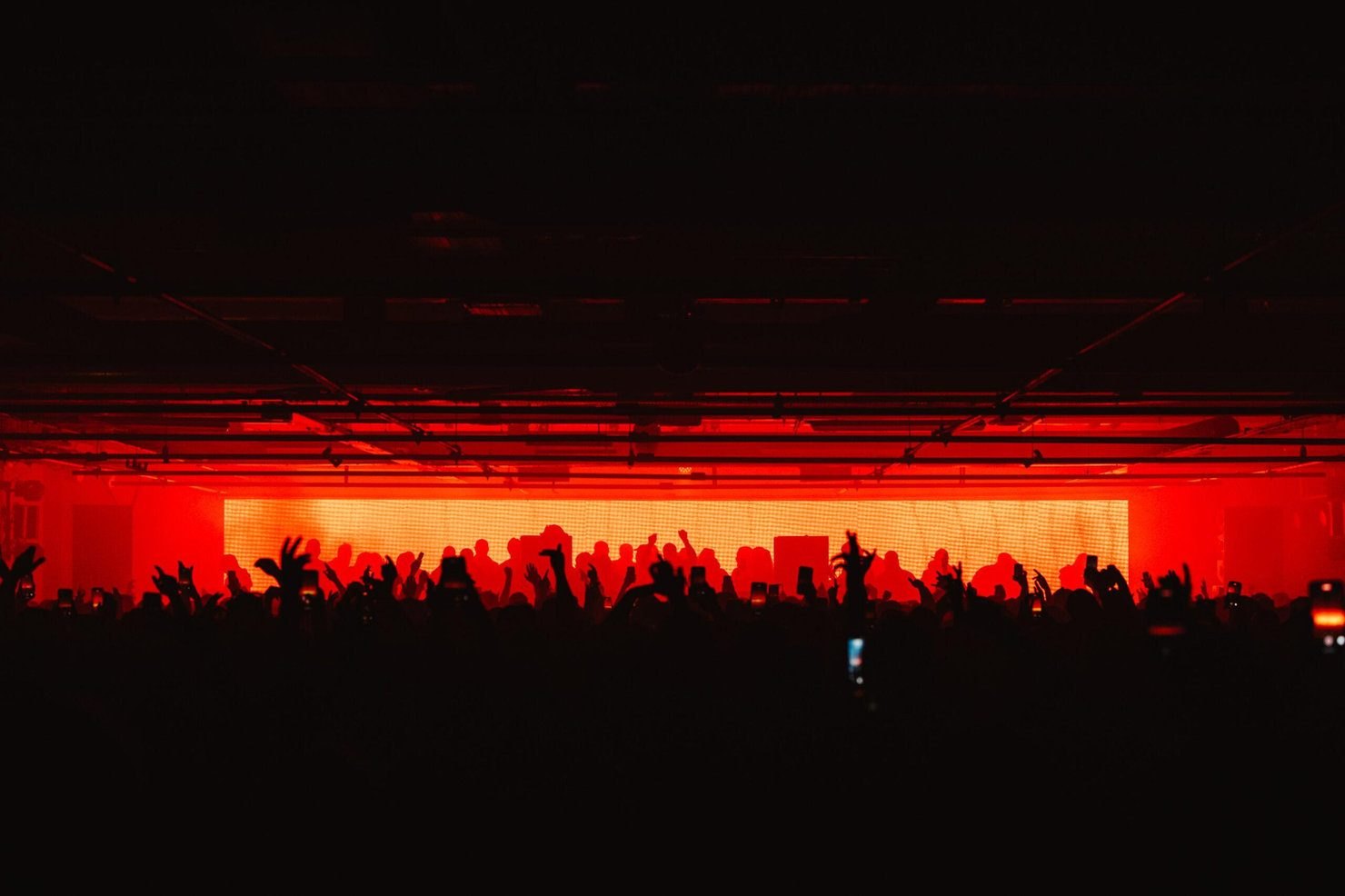
London's biggest raves now finish before the last tube. Drumsheds closes at 22:30 on ten of its eleven Saturdays this season. Ironworks, the new 7,000-capacity room on the Thames, closes every show at 22:00. Magazine's summer open-air with Amelie Lens and Sara Landry ran 16:00 to 22:00. Printworks, the room that invented the format, ran day-to-23:00 for six years. For a city that once sold itself on fabric's 7am and a 24-hour licence in every borough, the biggest floors have quietly moved to the afternoon, and most of the people on them have not noticed the trade. This is why it happened, from licensing to trains to the bar takings, what it does to the music, and how to use it rather than resent it.
The numbers first
- Drumsheds, AW26/27: eleven Saturdays, ten finishing at 22:30 with doors between 12:00 and 15:00 (the exception, Steppers on 26 September, ran 17:00 to 01:00); three Fridays running 19:00 to 03:00; one Sunday, Piano People, 13:00 to 22:00. Licensed for 14,999 after the January 2025 Enfield Council review.
- Ironworks, first season: five shows from 3 October to 1 November, doors 12:00 or 14:00, every one closing at 22:00.
- Magazine London, summer 2026: the Amelie Lens and Sara Landry open-air on 21 August ran 16:00 to 22:00.
- Printworks, 2017 to 2023: the daytime format at scale, typically midday to 23:00, on a site borrowed from a developer.
- The other side: fabric until 7am on Halloween, FOLD's all-nighters, Ministry's Box after the refit. London has 58 24-hour licences left, against 91 in 2010, according to press counts published in early 2026.
Reason one: the licence is the building
A 14,999-capacity room does not get a 24-hour licence, and it would not want one. Drumsheds' conditions were rewritten in January 2025 after a stabbing and two drug-related deaths in late 2024, with the Met pushing for a cut to 9,999 and the council keeping the capacity in exchange for tighter operations; the full account is in the Drumsheds pillar. What a venue that size can offer a licensing committee is a finish time. Doors at one, out by half ten, everyone on a train home before midnight, is a proposition a council can say yes to for a building surrounded by a retail park and a housing development. Doors at eleven, out at six, is not. Ironworks, on a former industrial site in the Royal Docks, has taken the same route with a 22:00 close for every show. The pattern in why London clubs are closing is the same pressure from the other direction: the small late rooms lose the argument one licence review at a time, the big early rooms win it by never having it.
Reason two: the trains
Drumsheds is a five-minute walk from Meridian Water, a Greater Anglia station with a frequent service laid on for event days. For the 03:00 Fridays, the venue's £5 return shuttle bus runs to Tottenham Hale until about an hour after the finish, meeting the Victoria line's Night Tube; for a Saturday with up to 14,999 people, a 22:30 close lets the crowd leave on ordinary trains. Ironworks has the Jubilee line at Canning Town, which runs until well after 22:00 and not all night on a Sunday. Printworks had Canada Water. Every one of these rooms is sited where a big crowd can leave on public transport, and public transport in London stops. The Night Tube runs only on Friday and Saturday nights, on five lines, and fabric, beside the Elizabeth line and Thameslink at Farringdon, can still do 7am because by then the day's trains are running. Geography decides the finish time before the promoter does.
Reason three: the money
The daytime warehouse is the most profitable format British dance music has found since the superclub, and the reasons are unglamorous. A 13:00 to 22:30 event is one shift of security, bar and medical staff rather than two. The bar takes more from a crowd that arrives sober at lunchtime than from one that arrives at midnight already three drinks in. Policing costs, which ended Terminal V in Edinburgh in April 2026 and are the line item every big promoter now talks about first, scale with the hours you are open and the hour you close. And a room that finishes at 22:30 can sell a second ticket: the afterparty, the club night across town, the fabric 7am that this site keeps telling you to pair with a Drumsheds day. The day rave does not compete with the night; it feeds it, and takes its own margin first. Brands have noticed. elrow, Worried About Henry, FUSE, Resistance and A State of Trance are all daytime Drumsheds bookings this season, in the season guide, and most of them started life as club nights.
Reason four: the crowd changed
The audience for a 14,999-capacity day is not the audience for a 600-capacity 6am. In our reading it is younger on average, more likely to be travelling in from outside the city, and more likely to be there for the brand than the DJ. A midday start suits a crowd that wants a full day out, a photograph in daylight and a bed before one. The 40-year-old who wants the dark room at 4am still exists, and FOLD and fabric are still there for them, but they are no longer who the big money is built for. Halloween on a Saturday this year makes the split explicit: elrow at Drumsheds and Jungle Mania at E1 in daylight, Rødhåd at fabric until 7am, and the Halloween guide tells you to pick one of each.
What it does to the music
This is the part I care about as a DJ. A night set is built on a slope: you arrive in the dark, the room fills, the tempo and the pressure climb for four hours and the peak lands at two or three in the morning when nobody has anywhere else to be. A daytime warehouse set is a plateau with a cliff at the end. The room is bright and half-full at three, busy and social at six, and the actual dancing happens between eight and half ten, when the lights finally go down and everyone knows the clock is running. The peak is compressed into ninety minutes. It rewards a different kind of record, direct and big, and a different kind of DJ, one who can hold a crowd through daylight without spending the night's energy. The best daytime sets treat the first five hours as a festival and the last two as a club; the worst play the club set from doors and have nothing left when it matters.
The cost is the long set. The seven-hour arc of a Solomun night at Depot Mayfield, the all-nighter FOLD is built for, the fabric Saturday that moves through three rooms and several genres before dawn: none of that survives a 22:30 close. The daytime format is very good at moments and very bad at journeys, and the journey is the thing I got into this for. I made the same argument in small rooms versus festivals.
How to use it
- Treat the day as the day. Eat before doors, arrive by mid-afternoon, and expect the peak in the last two hours. Going hard at 14:00 is the mistake every first-timer makes.
- Book the night separately, and early. The 22:30 crowd all wants the same three rooms. fabric on a big Saturday, E1, FOLD's all-nighter; buy before the day, not on the platform at Meridian Water.
- Use the Fridays. Terminal V, Don't Let Daddy Know and La Discothèque are the three Drumsheds dates with a 3am finish this season, and they are the closest the building gets to a club. The Terminal V guide is the model.
- Or go north. The Warehouse Project runs most of its shows 20:00 to 04:00 beside Manchester Piccadilly through a season that runs from September to the new year, which is the whole argument of Warehouse Project vs Drumsheds.
- Keep the small rooms alive. The 24-hour licences at fabric and FOLD exist because people use them. The comparison in FOLD vs fabric vs E1 vs Drumsheds is also a list of what London loses if the day rave wins outright.
FAQ
Why does Drumsheds finish at 22:30?
Most of its Saturday events are planned as daytime shows: doors between 12:00 and 15:00 and a 22:30 close, which suits the venue's licence conditions, the Greater Anglia service at Meridian Water and a one-shift operating model. Three Friday dates in the AW26/27 season run to 03:00.
Do any Drumsheds events run late?
Yes. Three Fridays in the AW26/27 season run 19:00 to 03:00: Don't Let Daddy Know on 9 October, Terminal V on 23 October and La Discothèque on 13 November. Steppers on Saturday 26 September ran 17:00 to 01:00.
What time does Ironworks finish?
22:00 for every show in its first season, with doors at 12:00 or 14:00 depending on the date.
Which London clubs are open all night?
fabric and FOLD both hold 24-hour licences and use them on selected nights; fabric's Halloween 2026 runs 11pm to 7am. Ministry of Sound, E1 and Onyx run standard late finishes. London has 58 24-hour licences in total, according to press counts published in early 2026.
Why did London clubbing move to the daytime?
A combination of licensing, transport and economics: big new venues can only get permission with early finishes, their sites depend on public transport that stops at night, and a single daytime shift with a sober-arriving crowd is cheaper to run and takes more at the bar. The format was proved at Printworks and scaled at Drumsheds.
Is a daytime rave worse than a club night?
Different, not worse. It delivers production and scale a club cannot and compresses the peak into the last two hours; it cannot deliver the long set or the all-night arc. The best use of it is a day at a warehouse followed by a separate night at a club.
Does the Night Tube run to Drumsheds?
Not directly. The Victoria line's Night Tube serves Tottenham Hale on Friday and Saturday nights, and Drumsheds runs a £5 return shuttle bus from there that operates until about an hour after each event finishes. On event days Greater Anglia also runs a frequent service to Meridian Water, a five-minute walk from the venue.
What is the best London club to go to after Drumsheds?
fabric, for a late licence and three rooms, is the usual pairing on a big Saturday; E1 and Onyx in Wapping and FOLD in Canning Town are the alternatives, depending on the sound. Book before the day rather than at 22:30.
Sources
- Drumsheds, Ironworks and Magazine London event listings for door and close times, rechecked on drumshedslondon.com, ironworks.london and Resident Advisor in late September 2026; Drumsheds FAQ and location pages on the shuttle bus and Greater Anglia service; Resident Advisor, DJ Mag and NME on the January 2025 Enfield Council decision; Resident Advisor on Ironworks' 7,000 capacity
- Early-2026 press counts of London's 24-hour licences; DJ Mag on Terminal V's Edinburgh exit and policing costs; Transport for London on Night Tube lines; Resident Advisor listings for Halloween 2026 at Drumsheds, E1 and fabric
This piece is part of House of MNEEMO's ongoing coverage of the electronic and club music scene, written by London-based DJ and producer MNEEMO, with millions of streams to his name and a party series running through some of London's best clubs. For the two rooms this argument is about, read the Drumsheds guide and the Ironworks guide.