London Fashion Week 2026 Afterparties: The Music-First Guide
London Fashion Week afterparties 2026: Mayfair VIP clubs vs East London warehouses, what they cost and how to actually get in. No bottle-service upsell.
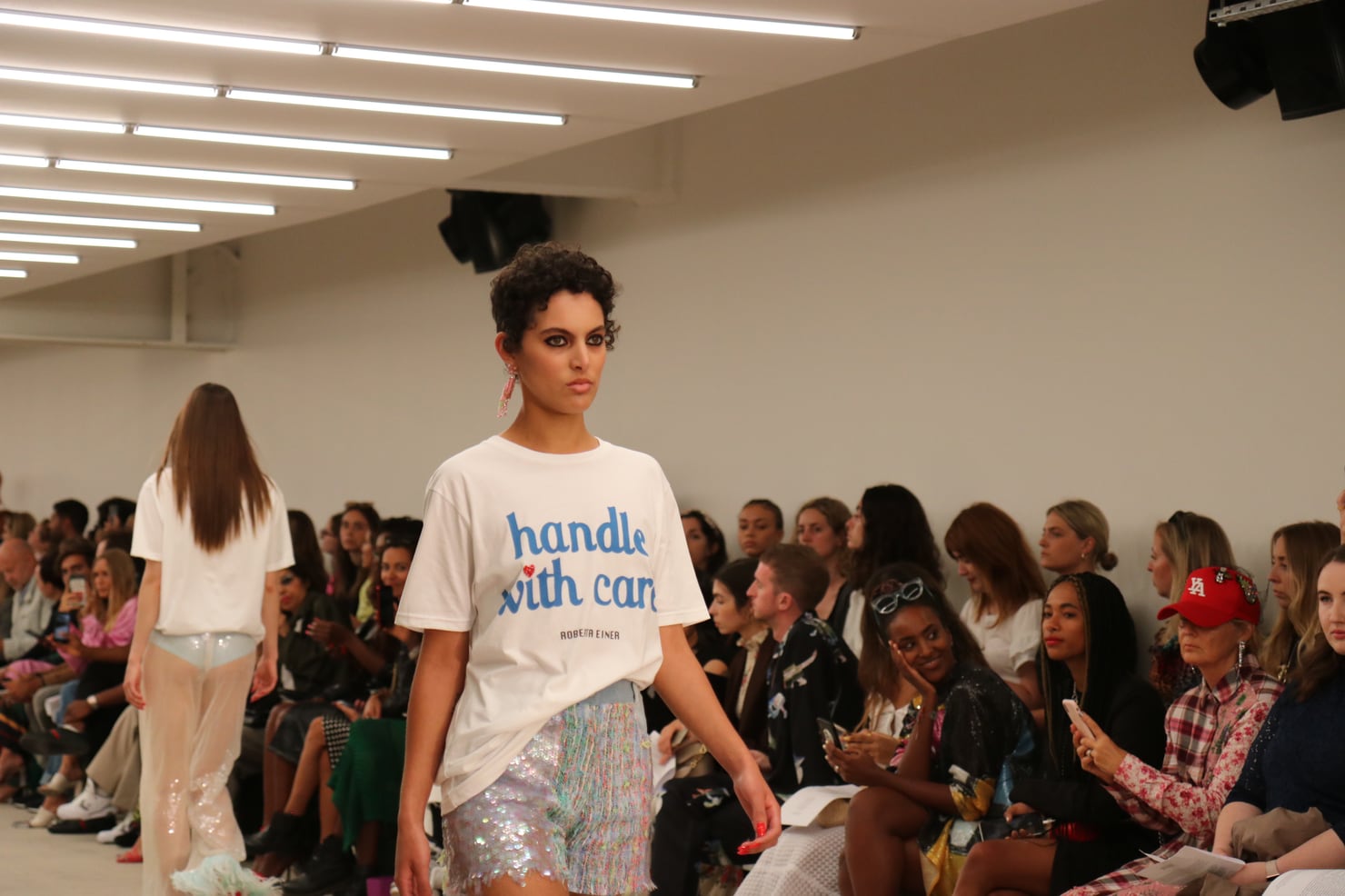
London Fashion Week runs Thursday 17 to Monday 21 September 2026, and the afterparties are not one thing but two: the Mayfair VIP-club circuit of Tape, Cirque Le Soir, London Reign and Tramp, and the harder, music-first world of designer club nights and East London warehouses. There is no single official venue and, this far out, no publicly confirmed lineup, because brand afterparties stay invite-only and land days before each show, if at all. What you can plan around is the shape of the thing: who throws parties, where, what they cost, and how to get in without a bottle-service upsell. This is that map, written from behind the decks rather than the front row.
London Fashion Week afterparties at a glance
- Dates: London Fashion Week September 2026 runs Thursday 17 to Monday 21 September, showing Spring/Summer 2027 collections.
- Organiser: the British Fashion Council, which has staged LFW since February 1984.
- No central venue: since February 2020 the BFC has run a hybrid model with no single official LFW building; designers pick their own locations across the city.
- Two ecosystems: Mayfair VIP clubs on one side, brand and designer club nights on the other.
- The Mayfair circuit: Tape London, Cirque Le Soir, London Reign and the members' club Tramp recur as afterparty venues most seasons.
- Table minimums: Mayfair bottle-service tables start from around £1,000, with VIP tables from roughly £2,000, indicative promoter figures rather than fixed prices.
- Guestlists: often free but subject to availability, and frequently ladies only, joined through the venue or promoter site.
- Recent brand precedent: Burberry's February 2025 afterparty drew a heavy celebrity crowd; Fashion East, KNWLS and stylist Law Roach have programmed multi-night takeovers at The Standard, London.
- The one Sept 2026 afterparty on record: J.L-A.L is scheduled to host an immersive presentation followed by an afterparty celebrating its Puma collaboration.
- The public layer: the City Wide Celebration runs free activations, talks, pop-ups and exhibitions across London throughout September, alongside the consumer London Fashion Week Festival.
- The music truth: lineups are rarely announced in advance, so treat any named DJ claim as unconfirmed until the promoter posts it.
When is London Fashion Week September 2026, and why the parties matter
London Fashion Week September 2026 takes place from Thursday 17 to Monday 21 September, per the British Fashion Council's provisional schedule. The September edition always shows Spring/Summer collections, so this is the SS27 season, previewed to more than 5,000 press and buyers who between them place orders worth over £100 million. The BFC has run the event twice a year, February and September, since it was inaugurated in February 1984, and it now shows more than 250 designers across the five days.
Here is the thing the schedule does not tell you. The shows themselves last minutes: a collection walks, the front row applauds, everyone files out, and the actual social business of fashion week happens after dark, in rooms with a soundsystem. If you want to understand a fashion week, you go to the parties, and in London, more than in Paris or Milan, those parties are inseparable from the city's nightlife.
The catch, and we will be straight about this from the top, is that no specific afterparty for September 2026 is publicly confirmed as we publish. Brand afterparties are invite-only and locked days before, sometimes on the day of the show. Anyone selling you a "confirmed lineup" for a Burberry or Erdem afterparty in mid-September is guessing. What follows is how the ecosystem works, what happened at recent editions as precedent, and the public programme that genuinely is announced in advance.
Two Londons of the fashion afterparty
The single most useful thing to understand is that "London Fashion Week afterparty" describes two more or less opposite experiences, and which one you want should decide everything else. Both happen the same nights and the crowds overlap at the edges, but the door, the money and above all the music are different.
On one side is the Mayfair VIP circuit: Tape, Cirque Le Soir, London Reign, the members' club Tramp. Bottle service, table minimums, a polished and glossy crowd, commercial and house DJs playing to a room that is there to be seen. This is the version that fills the promoter listings, because it is the version you can pay to enter. On the other side is the music-first world: brand and designer afterparties in hotels, and the East London warehouse-club end where the designers who came up through rave programme nights that feel like nights out rather than photo opportunities. This second London is the one the fashion titles and travel-SEO pages miss entirely, and it is the one we care about most.
If you already know London's club map, the split maps neatly onto it: the Mayfair rooms as one thing, the FOLD, fabric, Drumsheds and Printworks axis as the other. We have written a full sound-first breakdown of which London club fits your sound, and the same logic applies to fashion week: choose the room by the music you want to be standing in at 2am, not by whose name is on the flyer.
The Mayfair circuit: Tape, Cirque Le Soir, London Reign, Tramp
Let us do the Mayfair version honestly, because it is the one most people find first and the one most likely to cost you money. The recurring venues in this bracket are Tape London, Cirque Le Soir and London Reign, with the private members' club Tramp a long-running fixture too. These are established West End nightclubs that host branded and promoter-run fashion-week nights across the five days, and they are genuinely where a slice of the celebrity crowd ends up.
The economics are straightforward and steep. Table and bottle-service minimum spends for LFW week start from around £1,000 for a standard table, rising to roughly £2,000 and up for VIP positions. Treat those as indicative promoter guidance rather than a fixed menu, because the numbers climb the closer you get to a big-name party. The other route is a promoter guestlist, typically free to join but with two honest caveats: entry is "subject to availability", meaning the door can stop honouring it once the room fills, and these lists are frequently "ladies only". A free guestlist is a favour, not a guarantee.
Is it worth it? If what you want from fashion week is the glossy, champagne-and-strobes version, then yes, this is where that lives. But do not confuse it with the music. The DJs in these rooms are playing to keep a bottle-service floor moving, which is a real skill and a completely different job from the one happening across town.
The other side: where fashion meets club culture
Now the part nobody else covers with any music credibility. The most interesting fashion-week afterparties in London are not in Mayfair at all. They are the ones thrown by designers who are, at heart, club people, in rooms that are, at heart, clubs.
The clearest example is Mowalola, who has run her own club-format LFW afterparties: the "Crash" SS24 afterparty was staged at Colour Factory in Hackney Wick, the East London warehouse-club end of the spectrum. That is not a branded champagne reception with a DJ in the corner, it is a party in a proper club space with the designer's own crowd. The same instinct shows up in Fashion East, which returns to the September 2026 schedule and has jointly programmed multi-night LFW takeovers at The Standard, London, alongside KNWLS and stylist Law Roach, with CÎROC as partner in recent seasons. A hotel takeover programmed by that team is a nightlife event first, a fashion event second.
This is not a coincidence, and it is not new. Fashion East's alumni roster reads like a who's who of London design: JW Anderson, Martine Rose, Maximilian Davis, KNWLS, Craig Green, Grace Wales Bonner. Emerging designers who program club-style parties are the ones who become establishment names, and they carry the club sensibility upward with them.
If you want to understand the venues this world draws on, our guide to the best London clubs of 2026 is the companion piece: Drumsheds, fabric, XOYO and the reborn Printworks are the rooms this end of the fashion party either uses or aspires to. And Printworks London's 2026 reopening reshapes the top end of what a large-scale London party can look like, with the fashion crowd watching it as closely as the ravers are.
Fashion and the rave: a London love story
To understand why London's fashion and club scenes are really one scene, start with Martine Rose. Her entire design language is explicitly rooted in rave, hip-hop and punk subcultures, and she has made the point literally: her SS23 show was staged in a disused Vauxhall gay sauna. That is not set dressing. It is a designer telling you her clothes come from the same places her nights out do.
She is not alone. Rave aesthetics have been evoked on the runway by a long list of influential designers, including Virgil Abloh, Matthew Williams at 1017 ALYX, Daniel Lee, Martine Rose herself, Demna and Kim Jones, per nss magazine's account of rave's hold on modern fashion. When a Daniel Lee-era Burberry show is themed, as the February 2026 collection was, as "a love letter to London after dark", per W Magazine, the reference is the actual after-dark city, the clubs and the crowds and the soundsystems, sold back to the world as luxury.
This is exactly why a DJ collective is the right narrator for a fashion-week guide: the people programming the best fashion afterparties draw on the same lineage of London nightlife that we do. We have written about it in a producer's take on small club rooms versus festivals, and the fashion version is the same argument in different clothes: the big branded party is the festival, the designer warehouse night is the small room, and the soul is in the small room.
How to actually get into a London Fashion Week afterparty
Here is the genuine, non-scammy guide to getting in, because most of what you will read elsewhere is either a bottle-service funnel or a fantasy. There are, realistically, four routes.
- Work in the industry: the cleanest route by a mile. Press with a credential, buyers, stylists, models, accredited photographers and production crew get invited to brand afterparties because they are part of the machine. If this is you, the party finds you, usually by email or WhatsApp a day or two out.
- Get on a promoter's guestlist: the route into the Mayfair circuit. Often free, joined through the venue or promoter website, but "subject to availability" and frequently ladies only. Arrive early, dress for the room, and do not treat the list as a guarantee.
- Book a table: the paid route into the same rooms. Minimum spends from around £1,000, VIP from roughly £2,000 and up. Expensive, but effective if you have the budget.
- Go where the doors are genuinely open: the public City Wide Celebration events and the ticketed East London afterparties. This is the route we would recommend to most people, and the one the commercial pages bury because there is no commission in it. The designer and warehouse afterparties that sell tickets are the real ones, open to anyone who books in time.
The mechanics of the ticketed afterparties will feel familiar if you have chased any capacity-controlled club event: the good ones sell out fast and punish the ones who wait. Our guide to how to actually get into Boiler Room covers the same discipline: follow the promoter, be ready when tickets drop, and accept that "I'll sort it on the night" is how you end up outside.
The public side: City Wide Celebration and the London Fashion Week Festival
There is a whole layer of fashion week that anyone can attend, and because it is announced in advance, it is the part you can genuinely plan around. The trade shows are supplemented by two consumer programmes: the London Fashion Week Festival, and the City Wide Celebration, a curated public run of activations, pop-ups, talks, exhibitions and shopping events across London, and beyond it to Liverpool, Manchester and Newcastle, throughout September. For September 2026 it launches "At Home With", presented by 1664 Blanc, a series of talks exploring the roots of British designers, with names including Aaron Esh, Barbour, Kazna Asker, Matty Bovan, Nadine Merabi, Patrick McDowell, S.S. Daley, Talia Byre, Labrum London and The Winter House. It is not an afterparty, but it is a real, open, free way in, and for a lot of people a better use of an evening than queuing for a Mayfair guestlist that may not honour you.
There is a values dimension worth knowing too. In September 2018 LFW became the first major fashion week to go fur-free, and from 2025 exotic skins such as alligator and reptile leathers are banned. London has positioned itself, deliberately, as the progressive, forward-looking fashion week, and that same instinct is why its emerging-designer pipeline is so tightly wound with club culture.
What to expect for September 2026
Now the forward-looking part, handled as informed expectation, not fake certainty. Nothing below is a confirmed afterparty unless we say so explicitly.
The established houses on the provisional September 2026 schedule include Burberry, Erdem, Roksanda, Simone Rocha, Richard Quinn, Emilia Wickstead, Harris Reed, Mulberry, Barbour and McQueen, the names whose shows historically generate the biggest afterparty gravity. Burberry in particular has anchored recent seasons: its February 2025 afterparty drew a heavy celebrity crowd, with guests photographed including Skepta, Chip, Brooklyn Beckham, Nicola Peltz, Ncuti Gatwa and Taylor Hill. Whether Burberry throws an afterparty in September 2026, and where, is not something anyone can state yet, so we will not.
On the vanguard side, the designers to watch are KNWLS, Chopova Lowena, Aaron Esh, Ashley Williams and Paolo Carzana, plus the returning Fashion East platform, the end of the schedule most likely to produce a real club night. And there is exactly one September 2026 afterparty on record: J.L-A.L is scheduled to host an immersive presentation followed by an afterparty celebrating its Puma collaboration. Scheduled, note, not guaranteed.
The high-street and retail names on the schedule, including Marks & Spencer, H&M, eBay, Selfridges and Dover Street Market, tend toward activations rather than club nights. Laura Weir, Chief Executive of the British Fashion Council, framed the season in the schedule release, saying: "This season marks an exciting moment for London Fashion Week, with the return of leading British brands alongside an exceptional new generation of creative talent." That new generation is the cohort most likely to throw the party worth going to.
The MNEEMO take: dress for the music, not the door
Here is the line we would leave you with. There is no official dress code for a London Fashion Week afterparty, and the codes that exist are unwritten and vary hard by room. Mayfair skews polished and glam, because it is selling a look. The East London and designer afterparties reward personal style and club-ready clothes over labels, because they are selling a night. The mistake in both cases is dressing for the door instead of the room you actually want to be in.
Our whole argument, across every guide we write, is that the room is the point. The Mayfair circuit sells you proximity to a crowd and a soundsystem. The designer warehouse nights, the Mowalola and Fashion East end, give you the actual thing. If you have one night and you care about the music, spend it there. It is the same instinct that runs through minimal house and the sound of expensive clubbing: the expensive version and the good version are not always the same version.
The wider health of this scene matters too, because the venues that host the best fashion afterparties are the same independent, mid-sized rooms that keep closing, for the reasons of rent, licensing and land value we set out in our piece on why London clubs keep closing. A fashion week is only as good as the city's nightlife underneath it.
One last thought, since fashion week is not the only date on the September calendar. Our guide to where London goes after Carnival the fortnight before covers the other great late-summer afterparty sprawl. Fashion week is the more exclusive cousin of the same city, doing the same thing: finding a room, finding a soundsystem, and staying in it until the light comes up.
FAQ
When is London Fashion Week September 2026?
London Fashion Week September 2026 runs from Thursday 17 to Monday 21 September, according to the British Fashion Council's provisional schedule. The September edition shows Spring/Summer 2027 collections, previewed to more than 5,000 press and buyers, with more than 250 designers on the wider schedule.
Where are the London Fashion Week afterparties?
There is no single venue. Parties split between Mayfair VIP clubs, chiefly Tape London, Cirque Le Soir, London Reign and the members' club Tramp, and brand or designer events at hotels and East London club spaces. Recent seasons have seen Burberry's afterparty draw a heavy celebrity crowd, Fashion East and KNWLS at The Standard, London, and Mowalola's afterparties at Colour Factory in Hackney Wick.
How do I get into a London Fashion Week afterparty?
There are four realistic routes. Work in the industry with a credential as press, buyer, stylist, model or photographer. Join a promoter's guestlist, often free but subject to availability and frequently ladies only. Book a table, with Mayfair minimum spends from around £1,000. Or attend the genuinely public City Wide Celebration events and ticketed East London afterparties, open to anyone who books in time.
Are London Fashion Week parties free?
Some are. The public City Wide Celebration talks, pop-ups and activations are free to attend. Private brand afterparties are invite-only. Mayfair club entry is via guestlist or paid table service, and independent East London afterparties are usually ticketed. There is a free route in through the public programme, but the exclusive brand parties are not part of it.
What do the London Fashion Week afterparties cost?
Free if you are on a guestlist or at a public City Wide Celebration event. In the Mayfair circuit, bottle-service tables start from roughly £1,000 minimum spend, with VIP tables from around £2,000 and up. Those are indicative promoter figures rather than fixed prices, so always confirm the number with the venue first.
Which brands throw the best London Fashion Week parties?
Historically Burberry, whose recent afterparties have drawn a heavy celebrity crowd, plus Fashion East and KNWLS takeovers at The Standard, London, and designer club nights like Mowalola's. For September 2026, J.L-A.L is scheduled to host an afterparty celebrating its Puma collaboration. Beyond that, specific September 2026 parties are not confirmed in advance.
What is the dress code for a London Fashion Week afterparty?
There is no official code and it varies by venue. Mayfair clubs skew polished and glam, while East London and designer afterparties reward personal style and club-ready looks over labels. The MNEEMO line is to dress for the music and the room, not for the door.
Is there a public side to London Fashion Week?
Yes. The City Wide Celebration runs public activations, talks, exhibitions and shopping events across London, and beyond it to Liverpool, Manchester and Newcastle, throughout September, alongside the consumer London Fashion Week Festival. For September 2026 it launches the "At Home With" talks series, presented by 1664 Blanc, exploring the roots of British designers. Much of it is free.
What is the connection between London fashion and club culture?
It is deep and long-standing. Designers like Martine Rose build collections from rave, punk and hip-hop, and she once staged a show in a disused Vauxhall sauna. Rave aesthetics recur on major runways, and emerging labels, often via Fashion East, launch through club-format parties. In London the fashion and nightlife scenes largely share people, venues and DJs.
Do DJs play London Fashion Week afterparties?
Yes, from commercial and house DJs in the Mayfair VIP rooms to underground selectors at designer and East London afterparties. But lineups are rarely announced in advance and shift year to year, so treat any named DJ claim as unconfirmed until the promoter posts it themselves.
Facts in this piece were checked against current sources in August 2026. If something has moved since, that is the nature of a living scene.