The Warehouse Project 2026: 20 Years, and the Season to Match
WHP 2026 opens 18 September with KI/KI at Depot Mayfield and runs to the new year. Every date, the new Vault room, tickets and the 20th-anniversary season.
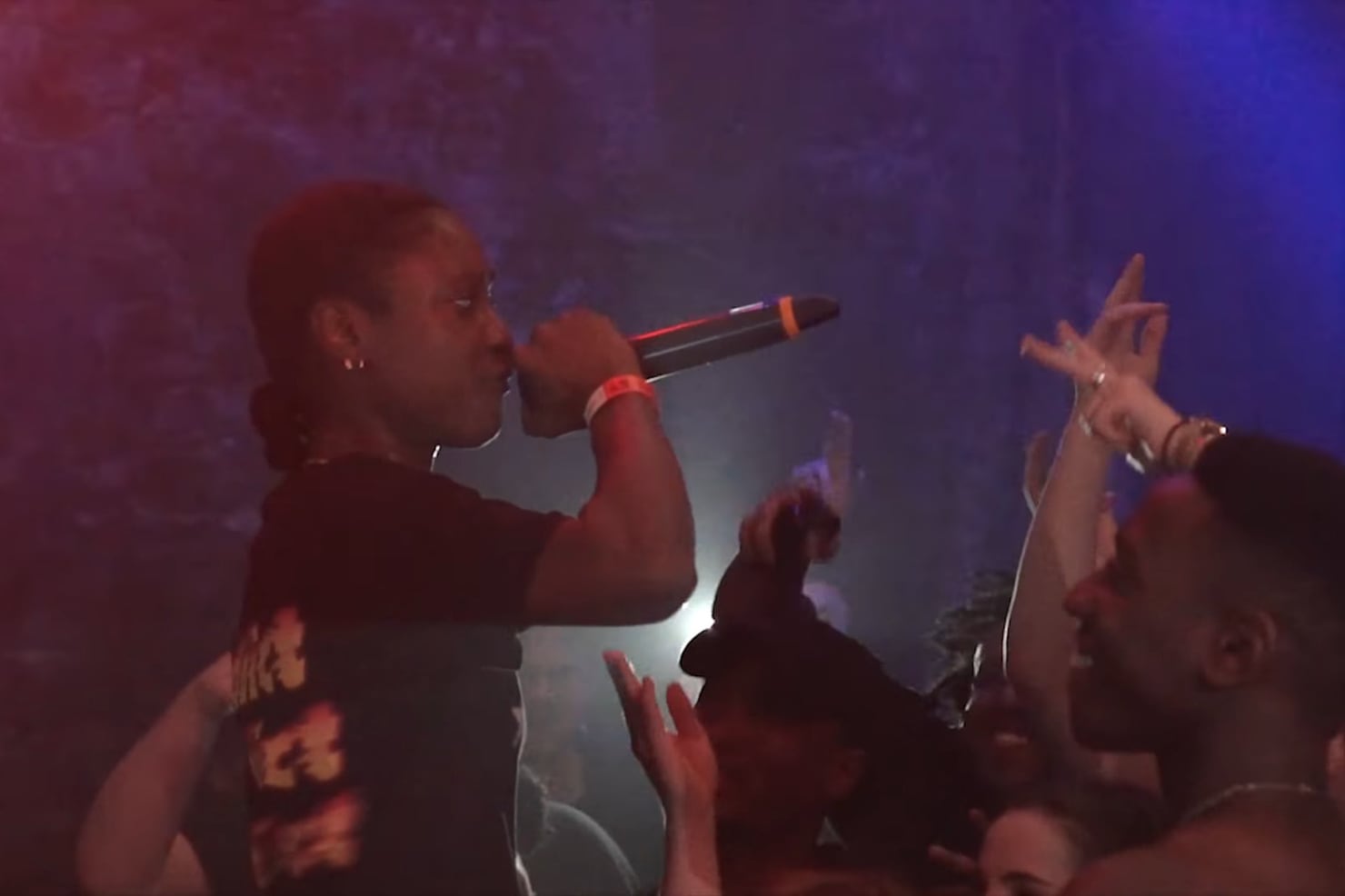
Twenty years ago, a club night opened in the shell of a disused Manchester brewery. In 2026 it is the biggest club night in the country, and it is throwing itself a birthday party that lasts four months. The Warehouse Project, or WHP, has spent two decades turning derelict industrial spaces into the centre of British clubbing, and its 2026 season, marking its 20th anniversary at the 10,000-capacity Depot Mayfield, is its most ambitious yet. This is a working DJ and producer's guide to the Warehouse Project 2026: the lineup, the dates, the venue, the anniversary celebrations and what to know before you go. Everything below was checked against WHP's own listings in late July 2026, and the promoter adds shows throughout the season, so confirm on the official site before booking.
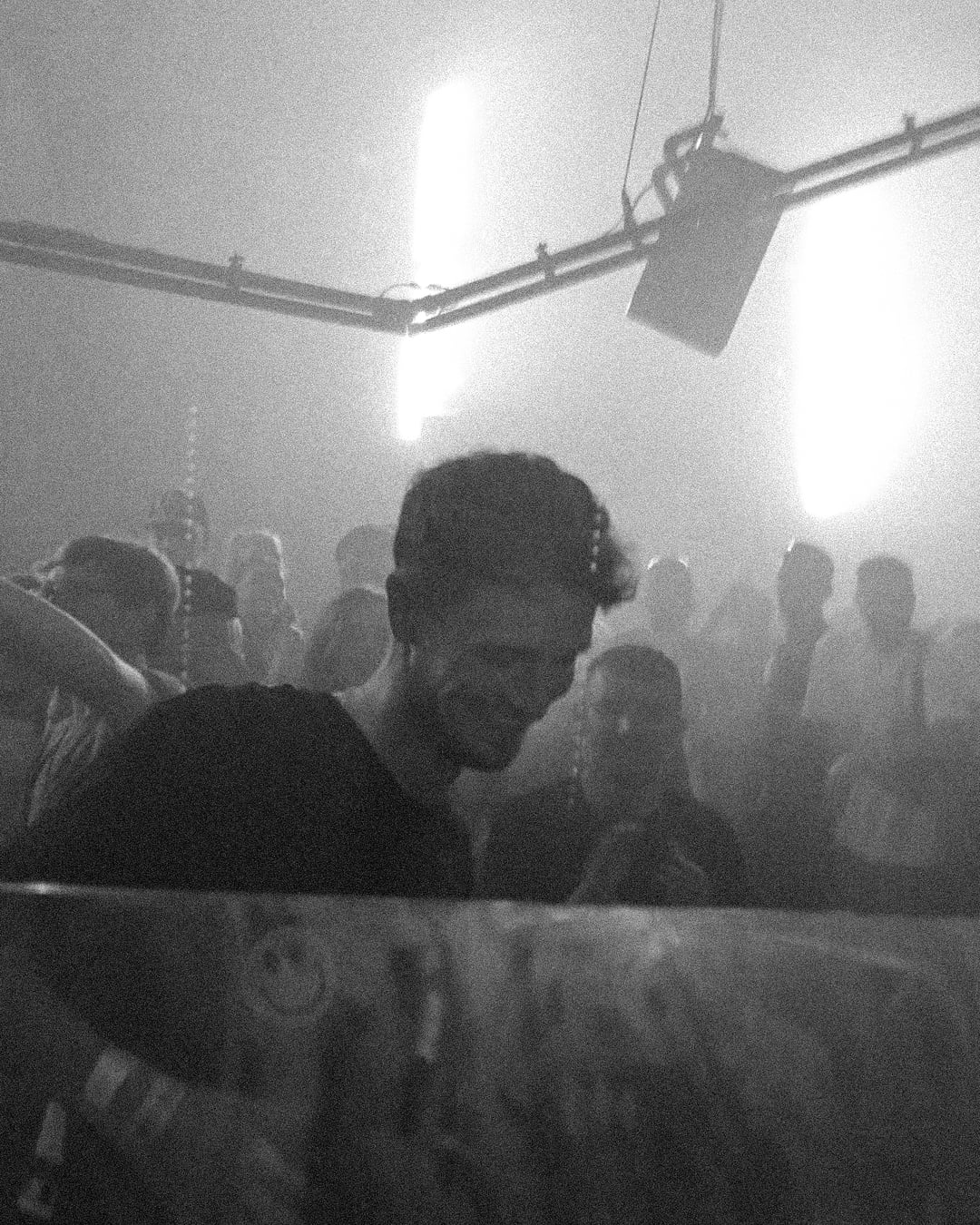
Warehouse Project 2026 at a glance
- The series: Manchester's flagship club-night series, running since 2006, now the biggest club night in the UK.
- The venue: Depot Mayfield, the 10,000-capacity rail depot next door to Manchester Piccadilly.
- The season: the 20th-anniversary programme, opening on 18 September 2026 and running through to the new year, with more than 20 events announced so far and more to come.
- Lineup highlights: Solomun, Tiësto, Overmono, Andy C, Interplanetary Criminal, Duke Dumont, Eric Prydz, The Streets and Josh Baker's You&Me, among many more.
- The anniversary: a documentary, an outdoor exhibition, a podcast, a print magazine and an archive of unreleased mixes on Apple Music marking 20 years.
- Tickets: sold per event, with several nights already sold out and select sets streamed on Apple Music.
What is The Warehouse Project?
The Warehouse Project began in 2006 as a joint venture between Sacha Lord and Sam Kandel, both veterans of Manchester's Sankeys nightclub, and its whole identity is built on taking over raw industrial spaces. It started in the disused Boddingtons Brewery in Strangeways, moved to the now-legendary Store Street, an old air-raid shelter beneath Piccadilly station, spent time at the Victoria Warehouse, and in 2019 settled into Depot Mayfield, a vast former railway depot. That move made WHP the biggest club night in the UK, with a 10,000-capacity room that puts it on a par with Ibiza's Privilege, for years recognised as the largest club in the world before its 2025 rebirth as [UNVRS].
Across those two decades, WHP became more than a promoter. It became a rite of passage for British clubbers and an institution that helped define Manchester as a global dance-music city, the northern counterpart to the London warehouse scene we cover from Drumsheds downwards.
Who actually runs WHP in 2026
The ownership has changed more than the aesthetic has. WHP was co-founded in 2006 by Sacha Lord, Sam Kandel and Rich McGinnis. LN Gaiety, the Live Nation and Gaiety Investments joint venture, took a majority stake in 2016, and in July 2024 Lord left both businesses he co-founded, WHP and Parklife, transferring his remaining shares to LN Gaiety. Kandel and McGinnis stayed. The instincts are Mancunian, the balance sheet is Live Nation's, and that is why a Tiësto show and a five-room drum'n'bass takeover sit nine weeks apart on one calendar. Speaking to Crack Magazine in May 2026, Kandel and McGinnis called reaching 20 years "a huge moment for us" and said the party "has always been about progression".
20 years: the anniversary season
The 2026 season is explicitly a 20th-birthday celebration, and it stretches well beyond the dancefloor. WHP marked the milestone with a short documentary film, "Twenty Years In Manchester", directed by Leigh Powis and shot on some of the world's last remaining Kodak Ektachrome stock, a six-minute visual retrospective built from two decades of archive footage, released free online in late May 2026. Around it sit an outdoor art exhibition, a historical podcast series, a print magazine and an archive of unreleased mixes on Apple Music, all documenting the artists, promoters and communities that shaped the last two decades. It is the kind of self-curation usually reserved for major festivals or record labels, and it signals how seriously WHP takes its own place in British music history.
The exhibition is the part you can still catch free before the season starts. "20 Years of The Warehouse Project" opened on 16 July 2026 at The Avenue in Spinningfields, an open-air run of 20 works drawn from 35mm film, Polaroids, contact sheets and archive material by photographers including Sebastian Matthes and Jody Hartley. It was billed as an eight-week run, carrying it into the second week of September.
The clubbing season itself opens on Friday 18 September with KI/KI and runs to a New Year's Eve party on 31 December, already more than 20 events deep with more still to be announced, and select sets will be streamed live on Apple Music.
The 2026 lineup highlights
The booking is a deliberate mix of returning icons and the current generation. Solomun joins for the anniversary in his first Manchester show in five years, billed as his only UK headline date for the rest of 2026. Tiësto returns to the city for the first time in 13 years on 11 December, a show that has already sold out. And the opening weekend doubles up, with Keinemusik's Rampa and &ME taking over the night after KI/KI.
The contemporary side is just as strong. Overmono present their Pure Devotion concept with James Blake back to back with Joy Orbison, Moodymann, Blawan and Helena Hauff back to back with DJ Bone, spanning UKG, breaks, techno and bass. Interplanetary Criminal brings a headline garage takeover that sold out fast, Josh Baker's You&Me lands across two nights fresh from its Ibiza season, and there are dates from Duke Dumont, Hannah Laing's DOOF with an exclusive Maddix back to back, The Streets performing A Grand Don't Come for Free, Andy C's ALiVe topping the season's only drum'n'bass bill, Kettama's Steel City Dance Discs and Klangkuenstler with Teletech. A second announcement wave at the end of June deepened the pool further, adding Max Dean's NEXUP for Halloween alongside the Keinemusik and drum'n'bass dates. And Homobloc, WHP's queer block party, returns for its seventh edition on 26 September, headlined by Kim Petras with Honey Dijon back to back with Derrick Carter and a new stage curated by Glasgow's Ponyboy. It is a lineup that bridges WHP's history and its future in a single season.
The WHP26 calendar, date by date
Every WHP26 date listed on the official calendar in late July 2026 appears below, with the times as published. Shows run 20:00 to 04:00 unless noted. WHP adds dates and moves start times through the autumn, so treat this as the shape of the season, not a locked timetable.
- Fri 18 Sep: KI/KI, 21:30 to 04:00. Opening night, and a late start by WHP standards.
- Sat 19 Sep: Rampa + &ME, 14:00 to 00:00. A daytime show that ends at midnight, so read the times before planning around it.
- Fri 25 Sep: Solomun.
- Sat 26 Sep: Homobloc, 17:00 to 04:00, with Erol Alkan, Job Jobse and Horse Meat Disco under the headliners.
- Fri 2 and Sat 3 Oct: You&Me, both nights sold out. The Saturday starts at 16:00.
- Fri 9 Oct: Worried About Henry, five rooms of drum'n'bass. Andy C's ALiVe and Bou in Depot, Shogun hosting Archive, Pull Up in Vault, Steeze Factory at the Star & Garter.
- Sat 10 Oct: Interplanetary Criminal presents, 19:00 to 04:00, sold out, with DJ Seinfeld, Joy Orbison and HAAi.
- Fri 16 Oct: doof with Hannah Laing, presented with Teletech, listed from £35 plus booking fee.
- Fri 23 Oct: ALISHA, Concourse only, 21:00 to 04:00, all night long, strict no-phones policy, sold out bar final VIP.
- Sat 24 Oct: Duke Dumont, sold out.
- Fri 30 Oct: Overmono's Pure Devotion.
- Sat 31 Oct: NEXUP Manchester, with Max Dean and Luke Dean back to back with Omar+, Shelter hosting Archive.
- Thu 5 Nov: The Streets, A Grand Don't Come For Free, 19:00 to 23:00. A concert, not a club night.
- Fri 6 Nov: Kettama presents Steel City Dance Discs, Ewan McVicar in Concourse, Tranceparty in Archive led by Evian Christ.
- Sat 7 Nov: La Discothèque, A Decade of Disco, 18:00 to 02:30, five rooms led by Basement Jaxx and Groove Armada.
- Sat 14 Nov: Klangkuenstler with Teletech, from 21:30, his first WHP booking since 2024.
- Fri 20 Nov: Eastenderz Manchester, 19:30 to 04:30, with East End Dubs and Hot Since 82.
- Fri 27 Nov: Gorgon City live, 19:00 to 23:00, at O2 Victoria Warehouse rather than Depot Mayfield.
- Sat 5 Dec: FAC51 The Haçienda, 17:00 to 03:00.
- Fri 11 Dec: Tiësto, sold out.
- Thu 31 Dec: New Year's Eve, 20:00 to 04:00, lineup to be confirmed.
One thing that list deliberately leaves out: Depot Mayfield is also hired by other promoters, and Riff Raff's student nights, including Halloween Project on 29 October, run there without being WHP shows. If a ticket is not sold through WHP, it is not a WHP night, whatever the venue name on the flyer says.
Three things jump out. The season is almost entirely Fridays and Saturdays, so the two midweek dates are the ones people miss: The Streets on a Thursday, and New Year's Eve. One date is not at Depot Mayfield at all, and Gorgon City at O2 Victoria Warehouse means a tram or a taxi across the city when people are expecting to walk out of Piccadilly. And the times matter more than the headliners: a standard club night is 20:00 to 04:00, the two live shows are 19:00 to 23:00, and Homobloc runs eleven hours from 17:00. On an early start, treating the first four hours as a warm-up is how you miss the show you paid for.
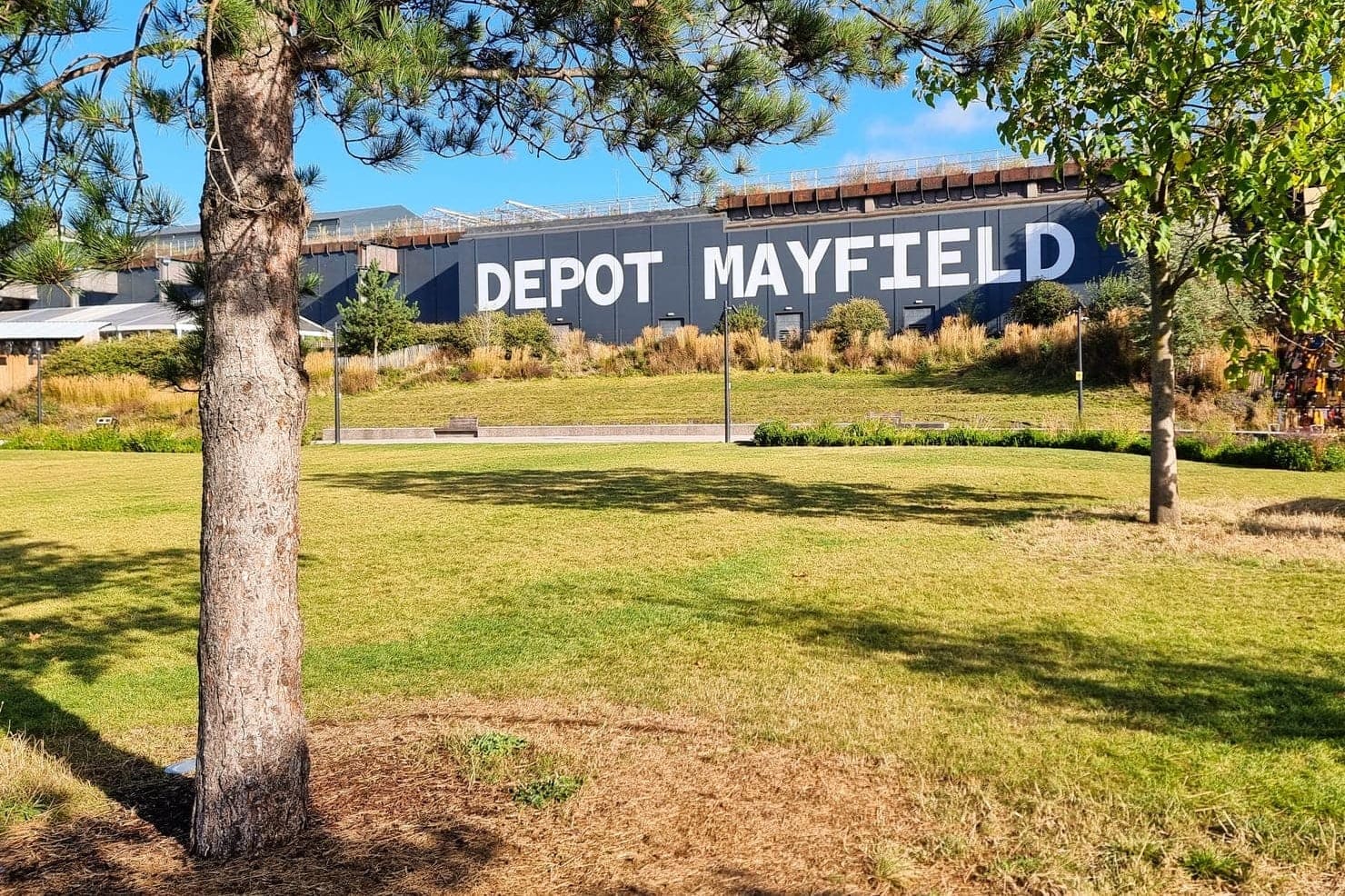
Depot Mayfield: the venue
Depot Mayfield is central to why WHP works at this scale. A cavernous former railway depot a short walk from Manchester Piccadilly, it offers the raw, industrial atmosphere that the Warehouse Project built its name on, but with the capacity and production of a major venue. The 10,000-capacity main space is complemented by three further rooms, Concourse, Archive and the brand-new Vault, added for the anniversary season, allowing WHP to run several sound-worlds in one night.
The rooms explained
Depot is the main hall and takes the headline booking. Concourse is the second room and often carries the better set of the night, because it is where WHP puts the artist who does not need ten thousand people and a light show to land. It also works alone: ALISHA's 23 October show is Concourse only, all night long, with a strict no-phones rule, the same logic behind the no-phones policies spreading through house music. Archive is usually handed to a guest brand, so read the room name too.
Vault is new for the anniversary: a fourth on-site room of around 1,000 capacity, built in Depot Mayfield's former ticket hall, and already on the bill at Homobloc, Worried About Henry, Kettama, NEXUP and La Discothèque. It is a booking story more than a capacity one, letting WHP add a sub-genre without surrendering a main-room slot: DJ Spinna's Stevie Wonder tribute sits on the same ticket as Basement Jaxx. On the biggest nights a fifth room sits outside the building: the Star & Garter, the Grade II listed Victorian pub on Fairfield Street, takes Steeze Factory on 9 October and a Studio 54 room on 7 November.
Doors, ID and the things that get people turned away
WHP is strictly 18-plus unless an event says otherwise, and it runs Challenge 25, so bring ID even if you are thirty. Three forms are accepted: passport, driving licence, or a Citizen Card carrying the PASS hologram. A photo on your phone is not one of them. Everyone is searched on the way in, and a ticket does not guarantee admission if you fail the door policy.
The entry policy catches people out on the unobvious bans: no liquids, glasses or aerosols, and that explicitly includes perfume, make-up and sprays; vape liquid capped at 10ml; no food or drink; no football shirts; no face coverings or masks, worth remembering on Halloween weekend; no umbrellas, high-visibility vests or chewing gum. Anything on that list is surrendered at the entrance and disposed of, and nothing left at the gate can be collected once you have gone in. Bags bigger than a sheet of A4 are refused, and digital lockers can be reserved in advance, which is the best ten minutes of admin you can do beforehand.
The rule that changes how you plan the evening is simple: there is no re-entry. Walk out and the night is over, so no chip shop, no late friend at the gate, no nipping back to the hotel. There is a smoking area and phone charging at the merchandise stall inside.
Getting there, and getting home
This is where WHP has an unfair advantage over almost every venue of its size in Britain. WHP gives the address as 11 Baring Street, M1 2PY, and its own travel page puts the site directly opposite Manchester Piccadilly station and the Metrolink stop, a couple of minutes on foot. For most shows general admission enters on Temperance Street, off Fairfield Street, so aim for that rather than the Baring Street pin; Concourse-only nights such as ALISHA use the Neild Street entrance instead. Piccadilly Gardens bus station is about five minutes away and taxis rank at Piccadilly.
WHP quotes journey times to Piccadilly of about two hours twenty from London, three from Edinburgh and Bristol and three and a half from Brighton, which tells you how much of the season is programmed for people travelling in. Plan the way out, not the way in: a 04:00 finish lands well before the first trains, so book a room or plan a night bus. There is a private car park on Fairfield Street with limited space, and the venue steers people towards public transport. Bundl is the official accommodation partner.
Welfare, water and access
WHP partners with W.E.L.Safe on welfare. The team wear blue high-visibility vests and patrol every room, and the welfare area sits in the smoking area by the Depot toilets, on the left of Depot as you come through from Concourse, with the medical team alongside it. The venue's own welfare page makes the blunt point that on-site testing has found the purity and content of drugs to vary considerably. Free drinking water is at stations by all the main bars. On access, there are accessible toilets, a viewing platform in Depot and a viewing area in Concourse, shared with general customers and prone to getting busy. Personal assistant tickets go through a web form, contact access@thewarehouseproject.com, and WHP asks for at least a week's notice.
Tickets and what to know
WHP sells tickets per event rather than as a season pass, and demand is high: several 2026 nights have already sold out weeks before the season opens, including both You&Me nights, Interplanetary Criminal, Duke Dumont and Tiësto. Book early for marquee names like Solomun and Tiësto, buy only through official channels to avoid resale inflation, and check set times in advance, because with multiple rooms and long nights, a plan helps. For those who cannot attend, WHP is streaming select sets on Apple Music during the anniversary season. That partnership is already live: last year's Homobloc DJ mixes went up on Apple Music in Spatial Audio in July.
Ticket mechanics: presales, waiting lists and resale
The presale decides whether you get into a big WHP night, not the general sale. WHP runs a mailing-list registration for first lineup news and presale access, and individual shows post their own sign-up windows, and two of the biggest November bills, Kettama and La Discothèque, both opened presale registration on Friday 31 July.
Buy from the agent linked on the show's own page on WHP's site and nowhere else. The terms prohibit resale except through the official resale platform of the agent you bought from, cap purchases at six per person, and state that tickets from unauthorised sources may be rendered invalid and admission refused.
When a night sells out there are two legitimate routes: the waiting list on the event page, which is where returns surface, and official resale through your agent. Both are face value, neither guaranteed. Same discipline as Boiler Room tickets: the queue you win is the one you joined before the announcement. Read the refund clause too. WHP refunds only if an event is cancelled without rescheduling or materially altered, and lineup changes are explicitly not a material alteration.
WHP against the other big UK winter seasons
Britain has a genuine winter-season circuit now, and WHP is no longer the only room at this scale. The closest comparison, made in full in Warehouse Project vs Drumsheds, is Drumsheds in north London, whose AW26/27 run opens with Defected on 19 September, the day after WHP. Drumsheds is bigger, newer and further out; WHP is smaller, older and a couple of minutes from a mainline station. If you do one large season a year, that walk from Piccadilly matters more than any lineup.
Put the two calendars side by side and the same brands tour between them. Worried About Henry plays WHP on 9 October and Drumsheds on 7 November; NEXUP and La Discothèque run dates at both this season, and Eastenderz played Drumsheds in February before its 20 November Manchester night. This is a national circuit of promoter brands moving between a handful of enormous industrial rooms, so choose on room and travel, because the brand will probably come to you.
The rest of the map has thinned. Bristol's Motion, whose In:Motion was the south-west's answer to WHP, lost its Avon Street home in July 2025 after a lease dispute and reopened at Unit 2, Victoria Terrace with a new series called Momentum rather than picking In:Motion up. In London, Printworks is due back under Drumsheds' operator. Against that, WHP's twentieth season is the one big British winter season that has held its shape, in one city, for two decades.
The honest note: a giant with critics
No fair guide skips the debate. WHP's sheer scale and its exclusivity arrangements have drawn criticism over the years, with some in Manchester arguing that a single dominant promoter can make life harder for the city's smaller, independent venues. It is a legitimate tension, and worth holding alongside the celebration: the same machine that delivers world-class lineups and global attention also concentrates a lot of the scene's gravity in one place. WHP would point to the jobs, tourism and platform it brings the city, and both things can be true. For clubbers, the takeaway is simply to enjoy the Warehouse Project and to spend money in Manchester's small rooms as well.
FAQ
What is The Warehouse Project?
Manchester's flagship club-night series, running since 2006 and now the biggest club night in the UK. Founded by Sacha Lord and Sam Kandel, it stages large-scale electronic events, currently at the 10,000-capacity Depot Mayfield.
When is the Warehouse Project 2026 season?
The 20th-anniversary season opens on 18 September 2026 and runs through to the new year at Depot Mayfield, with more than 20 events announced so far and more to come.
Who is playing Warehouse Project 2026?
Highlights include Solomun, Tiësto, Overmono's Pure Devotion, Andy C's ALiVe, Interplanetary Criminal, Josh Baker's You&Me, Duke Dumont, Hannah Laing and The Streets, among many more.
Where is the Warehouse Project held?
At Depot Mayfield, a former railway depot beside Manchester Piccadilly station, since 2019. It holds around 10,000 people.
How do I get Warehouse Project tickets?
Tickets are sold per event through official channels, and many sell out early, so book ahead for the biggest nights. Select sets are also streamed on Apple Music during the anniversary season.
What time does the Warehouse Project start and finish?
Most Depot Mayfield club nights run 20:00 to 04:00, but start times vary: Homobloc opens at 17:00 and the live shows finish at 23:00. Check the event page.
What is the Warehouse Project ID, bag and re-entry policy?
Strictly 18-plus with Challenge 25. Only a passport, driving licence or PASS-hologram Citizen Card is accepted. Bags bigger than A4 are refused, lockers are bookable in advance, and once you leave the venue you are not readmitted.
How do you get to Depot Mayfield from Manchester Piccadilly?
WHP gives the address as 11 Baring Street, M1 2PY, directly opposite Piccadilly station and the Metrolink stop, a couple of minutes on foot. For most shows general admission enters on Temperance Street, off Fairfield Street.
Why is the 2026 season special?
It marks WHP's 20th anniversary, with an expanded programme plus a documentary, an outdoor exhibition, a podcast, a magazine and an archive of unreleased mixes celebrating two decades of the Warehouse Project.
Sources
- The Warehouse Project official calendar, DJ Mag, Crack Magazine and Ticketmaster on the 2026 season, 20th-anniversary programme and lineup
- Wikipedia and Mixmag on WHP's history, founders Sacha Lord and Sam Kandel, venue moves and Depot Mayfield capacity
- Billboard, DJ Mag and Manchester's Finest on the 20th-anniversary film "Twenty Years In Manchester" (directed by Leigh Powis, released May 2026), the exhibition and the magazine
- WHP's own calendar, event, entry policy, general information, accessibility, travel and welfare pages for dates, times, room bills, ID and bag rules and the address, plus its terms on resale, purchase limits and refunds
- IQ Magazine and NTIA on LN Gaiety's 2016 controlling stake and Sacha Lord's 2024 exit; Electronic Groove and Manchester's Finest on the Spinningfields exhibition; DJ Mag and Attitude on the Vault room; MusicTech and Bristol24/7 on Motion's move to Victoria Terrace
- Coverage of debates around WHP's scale and its effect on Manchester's independent venues
This guide is part of House of MNEEMO's ongoing coverage of the electronic and club music scene, written by London-based DJ and producer MNEEMO, with millions of streams to his name and a party series running through some of London's best clubs.