
SEVARA Wrote 'See It Through' at 4am. The Whole Song Arrived at Once
By MNEEMO5 min read
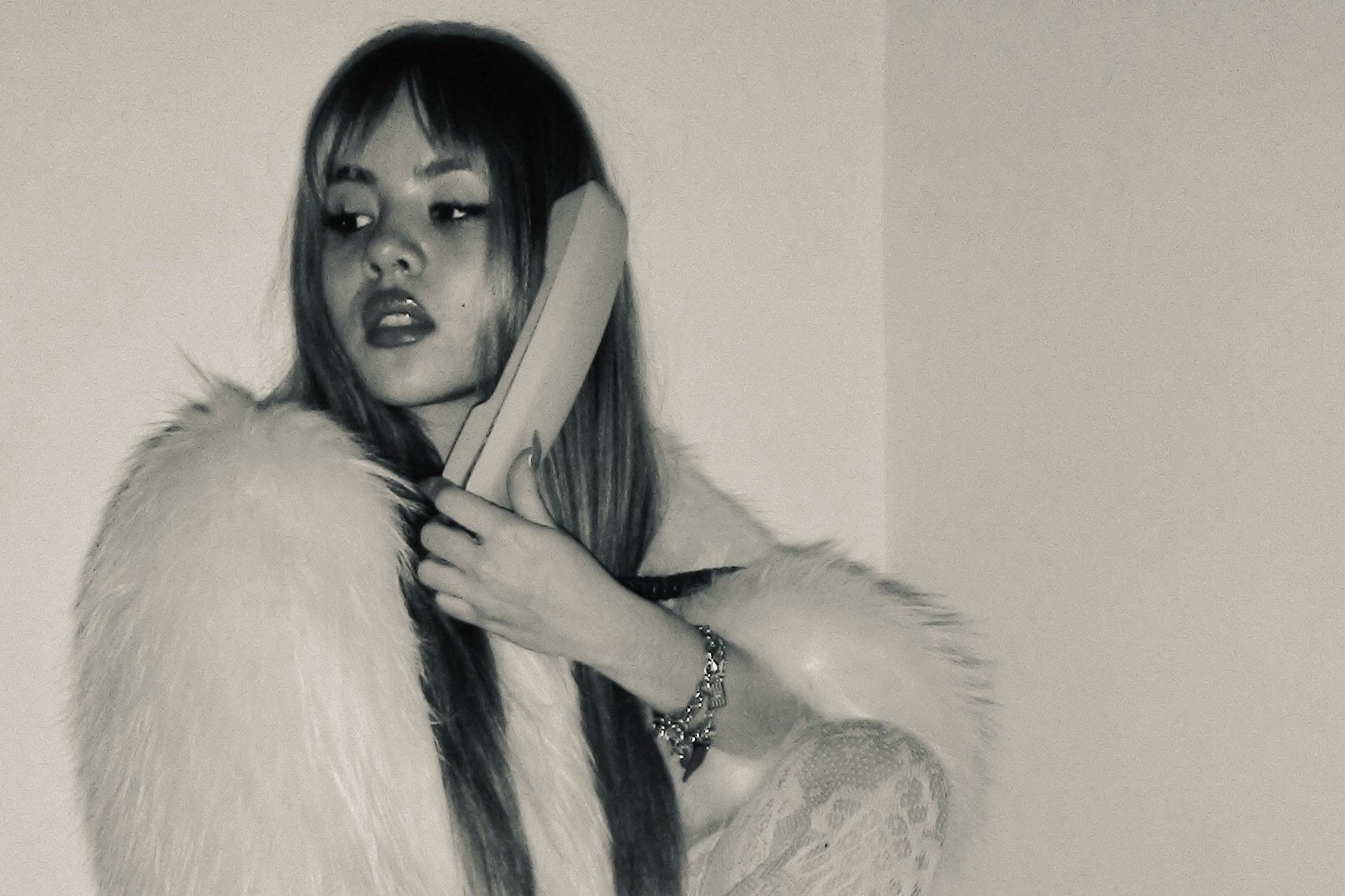
FIG. 01 · SEVARA. Press photo.
SEVARA, a singer from Uzbekistan now living in London, on 'See It Through': written at 4am, built on hope, and the first single from her EP 'Here'.
SEVARA is a singer-songwriter from Uzbekistan who now lives in London. Her single "See It Through" came out on 2 October 2026 on Radar Records. It mixes indie and alternative rock with R&B. It is the first single from her EP "Here", five songs built around five stages of being present. She wrote it at about 4am in Uzbekistan, and the whole song came to her at once.
A note before we start: SEVARA is on Radar Records, a label MNEEMO has also released on.
A song that arrived at 4am
Most songs are built slowly. This one was not. SEVARA wrote "See It Through" at around 4am, in Uzbekistan. The melody, the sound, the words and even the visuals all came to her together. "It felt like the whole world of the song appeared at once," she says.
The song is about hope and self-belief, and about looking at the future in a better light when things feel hard. She wrote it for herself first, as something to come back to on the days when her own hope runs low. Now, she says, it works like an energy source: she plays it and the hope comes back.
She is clear that this is not easy optimism. "It is not about pretending everything is easy. It is about finding something inside you that is strong enough to keep going."
The Rolling Stones and a Paris fairytale
She built the song around a feeling first and a genre second. The indie and alternative rock side gives it drive. The R&B side gives it softness and rhythm, with her voice kept close and direct.
While she was writing it, she had The Rolling Stones on repeat: "Gimme Shelter", "(I Can't Get No) Satisfaction", "Angie" and "Miss You". Those songs pull her out of heaviness and make her feel lighter, she says. The other influence is a surprise: "La Seine and I", a song from the French animated film A Monster in Paris, which she loves for its fairytale warmth.
As a DJ, the Stones pick I notice is "Miss You", their 1978 single with a steady disco beat under a loose rock band. Drive from the rhythm, softness from the voice: that is the same mix she describes.
Five stages of being present
The EP is called "Here". Each song is one stage of presence, the feeling of being fully in the moment. Her idea is that this rarely starts calm. Being present can begin with confusion, resistance or detachment, and only slowly turn into movement, vision and joy. Here are the five songs and the stage each one stands for.
- QuestioningWHY WHY WHYBeing inside the confusion and trying to understand why it is happeningWhere it all starts
- DetachmentIDCStanding in your own energy after you have already felt too muchDetached, but not cold
- MovementRUNNING THROUGH THE HILLSYou know what you are moving towards, even if the path is unknownMovement and focus
- VisionSee It ThroughPresent enough to see the future through a more positive lensOut now on Radar Records
- JoyFREEPresence becomes freedom from the inside outWhere it ends
So why lead with the fourth stage? Because it carries the emotional heart of the project, she says. It is hopeful, but not shallow: it knows the future is uncertain and chooses to look through it anyway. She pictures the whole EP as a way out of a foggy maze, until the maze turns into "the big beautiful garden it actually was from the beginning". That is my favourite image in this whole story.
Uzbekistan, London, and the science of feeling
SEVARA has studied neuroaesthetics, the science of how art and beauty act on the brain: how music, images, movement and the spaces around us change emotion, memory and wellbeing. It shaped how she sees her own songs. To her, a song is more than a way to express something. "It can become a place you enter," she says.
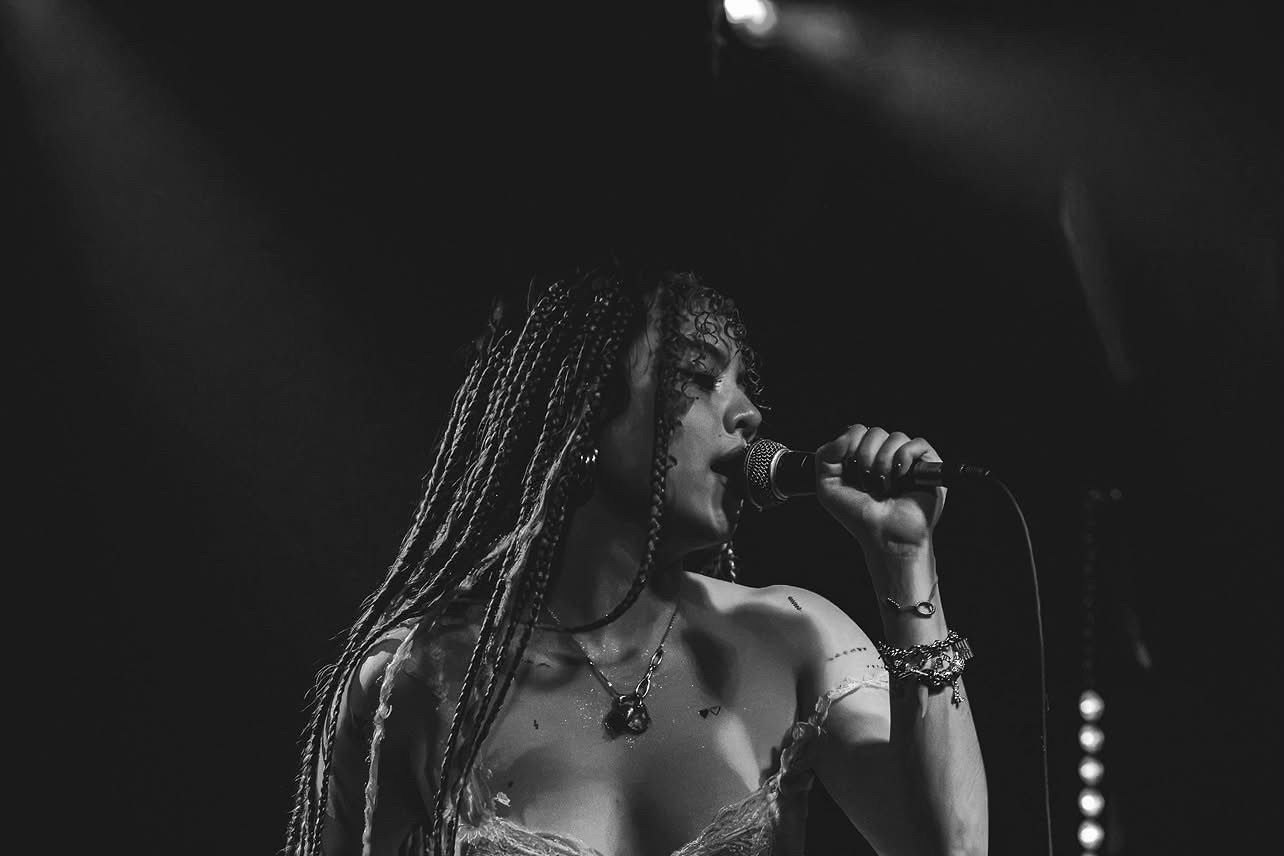
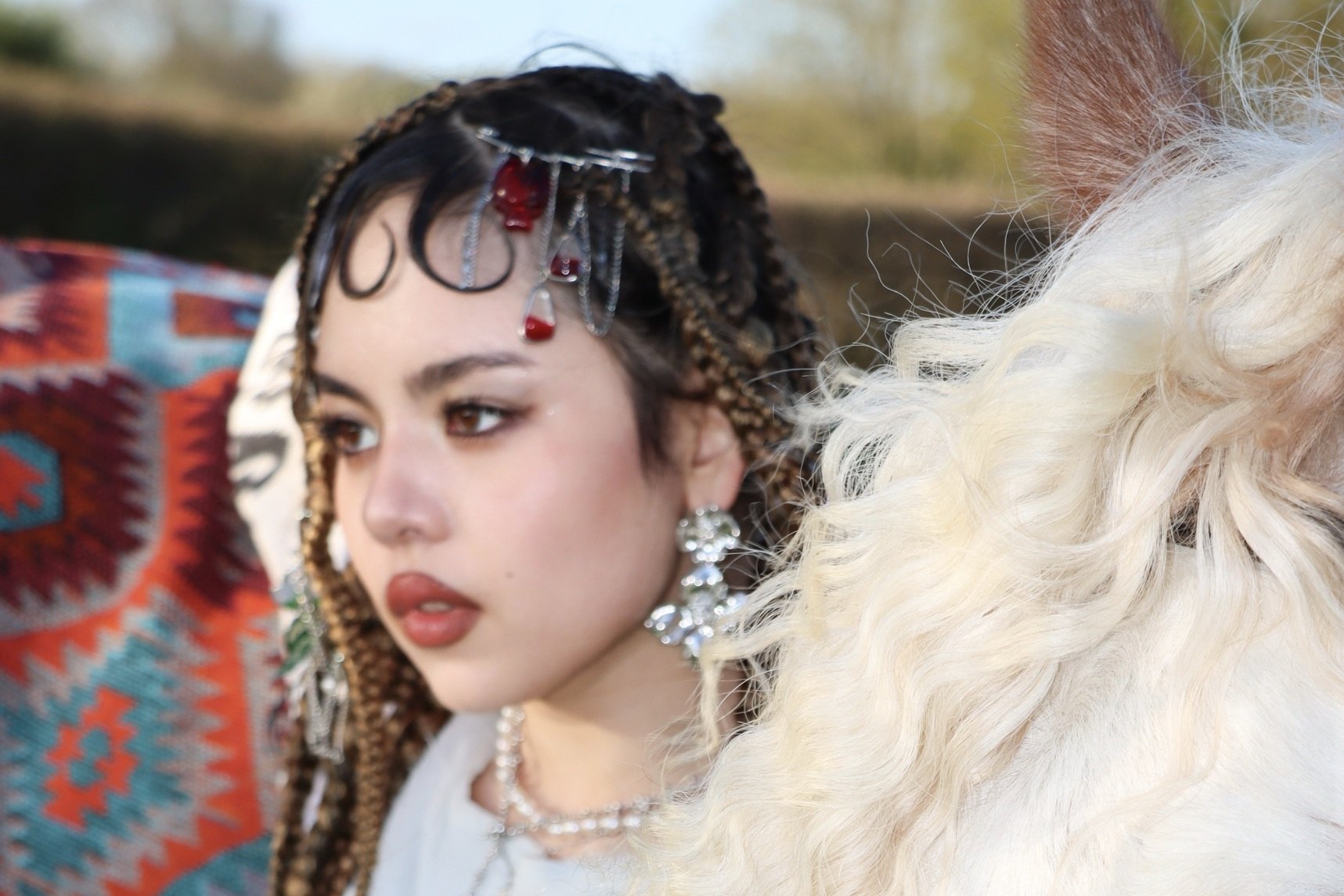
Home is in her work too, but quietly. Being from Uzbekistan is a big part of her, but she does not want to use her culture as decoration. Her braids are one example. Braids are traditional in Uzbek culture, and she wears them in her own way, as part of the visual language she is building.
London, she says, is where she started to embrace herself more fully and to follow her curiosity. Her world is built on contrasts: Uzbekistan and London, memory and future, softness and strength, reality and surrealism. "I do not want to choose one side."
Why I am watching her
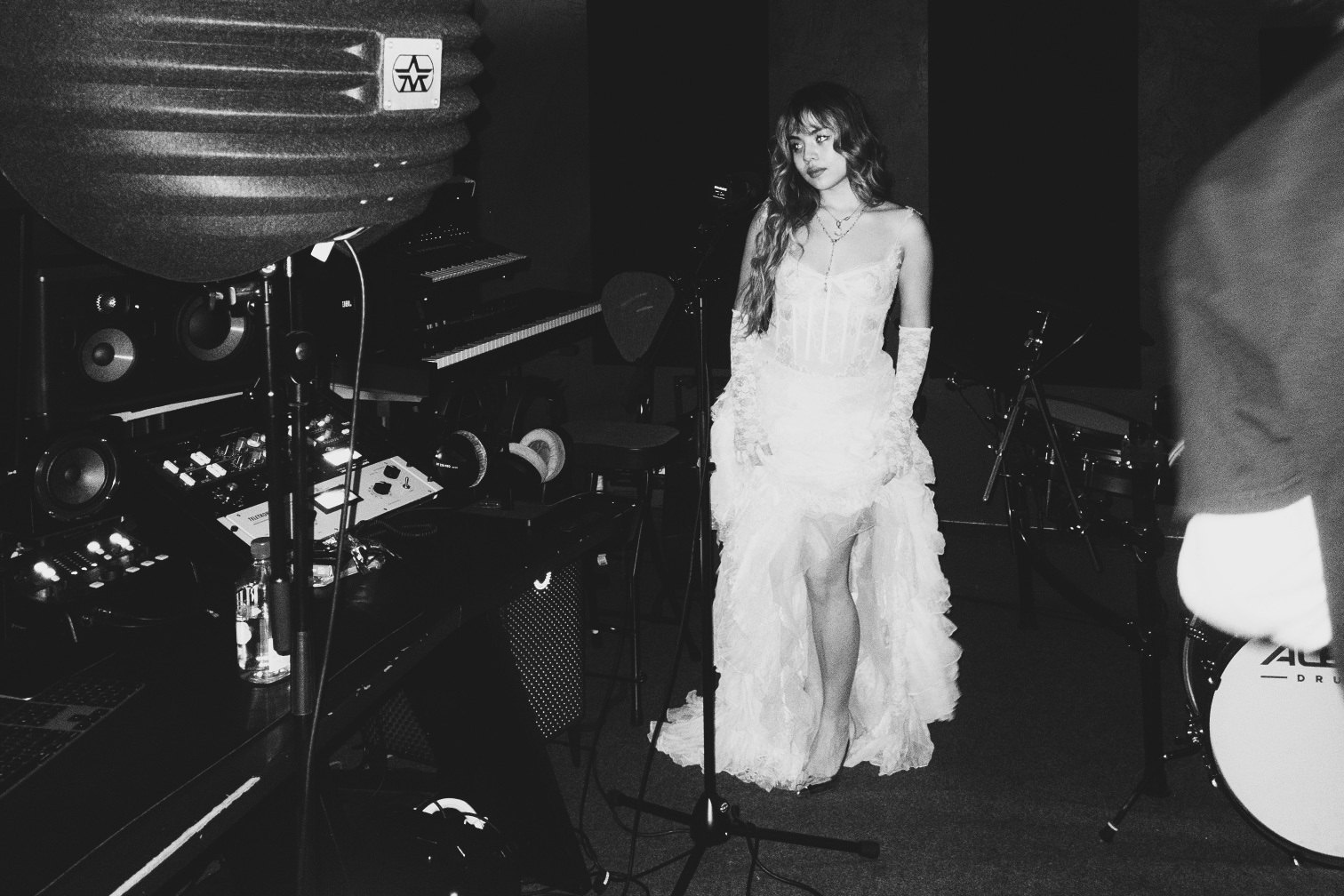
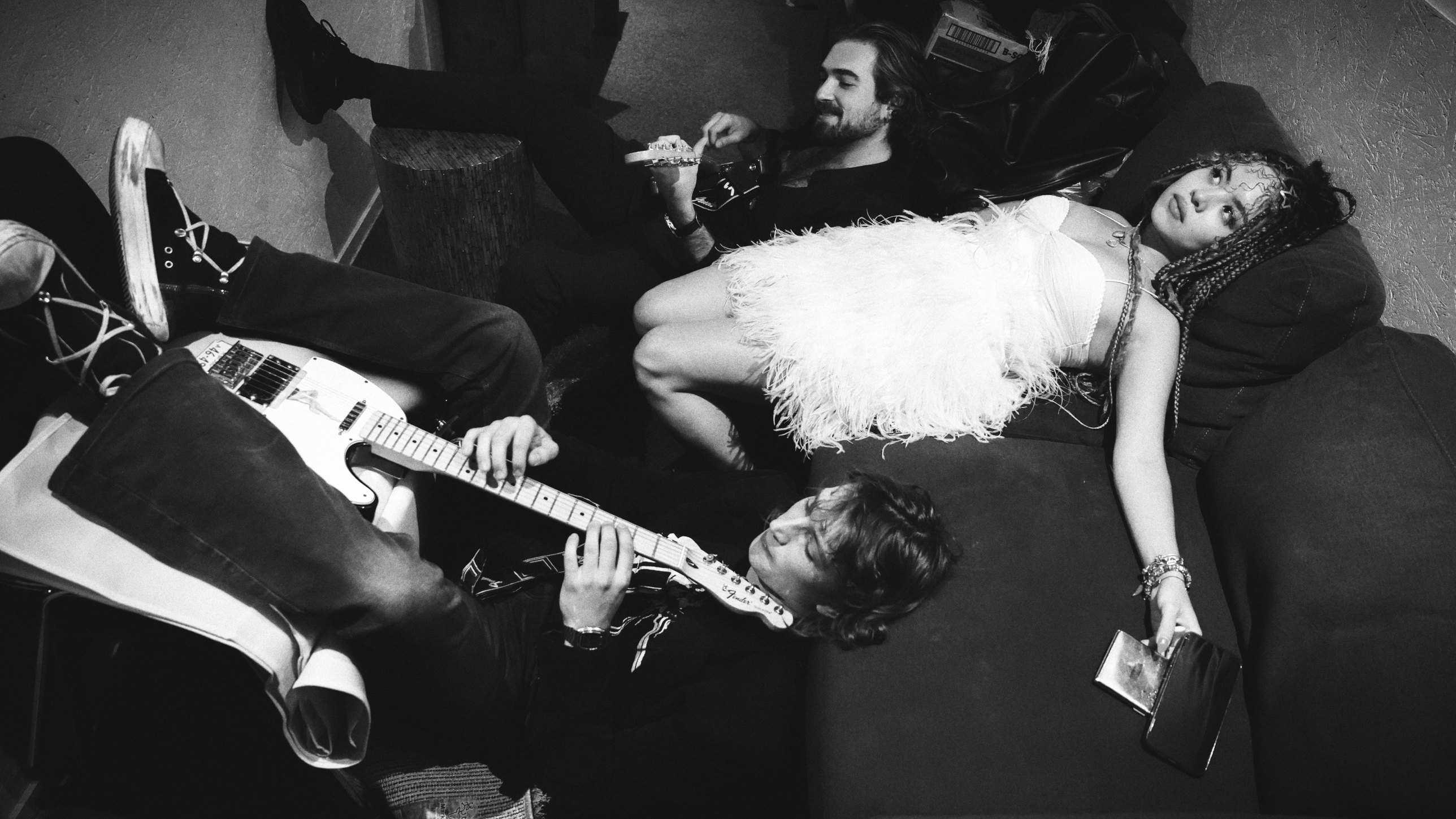
SEVARA often feels an emotion as a picture before she can put it into words. You can see that in her photos. A white dress in a dark studio, a horse on a bright field, black and white nights on stone steps: they look like stills from one film. A lot of new artists add the pictures after the music. She seems to make both at the same time.

I also like that she treats a song as something you can use. Hope as fuel, memory as an active thing, a track you go back to on a bad day. That is how people use music in clubs too. "See It Through" is out now. You can listen through Radar Records' link for the single, find her on Spotify and follow her on Instagram.
FAQ
Where is SEVARA from?
SEVARA is from Uzbekistan and lives in London.
What kind of music does SEVARA make?
Indie and alternative rock mixed with R&B. Her single "See It Through" is out now on Radar Records.
When is SEVARA's EP "Here" out?
No release date has been announced yet. "See It Through" is the first single from it.
Sources
- Radar Records, press release for SEVARA's "See It Through"
- SEVARA, in her own words, approved by the artist, November 2026
Next in the magazine.
Amelie Lens
Real Name, Age and the Techno Star Who Became an Album Artist in 2026 Releases05 APR 2026Never Come Back
MNEEMO & NIKITAIDISYUDA, Radar Records
Slow
MNEEMO & Elizabeth Lip's 10-Year CollaborationWords by MNEEMORead