How Loud Is a Club? Your Ears Clock Off Before the Night Does
By MNEEMO6 min read
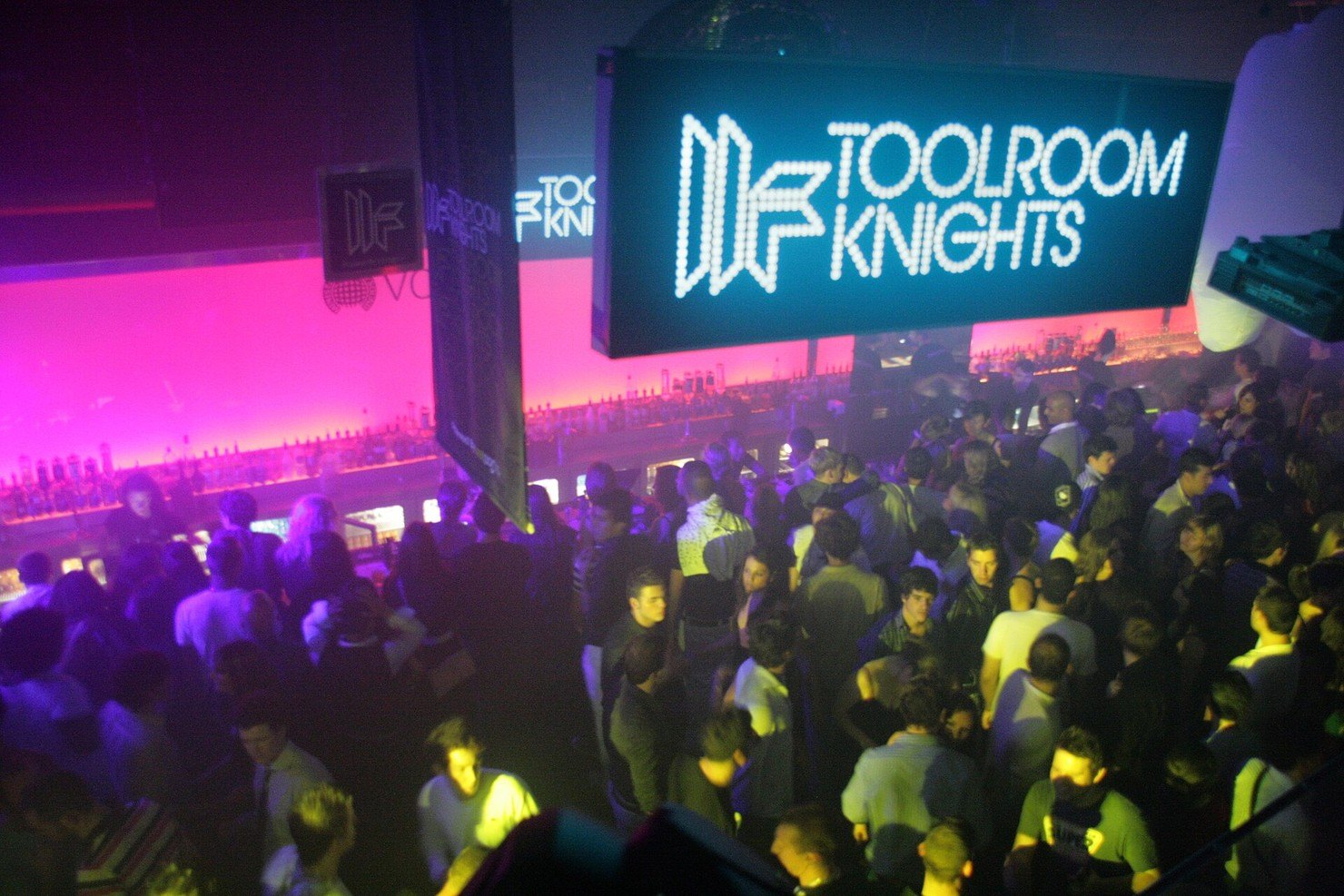
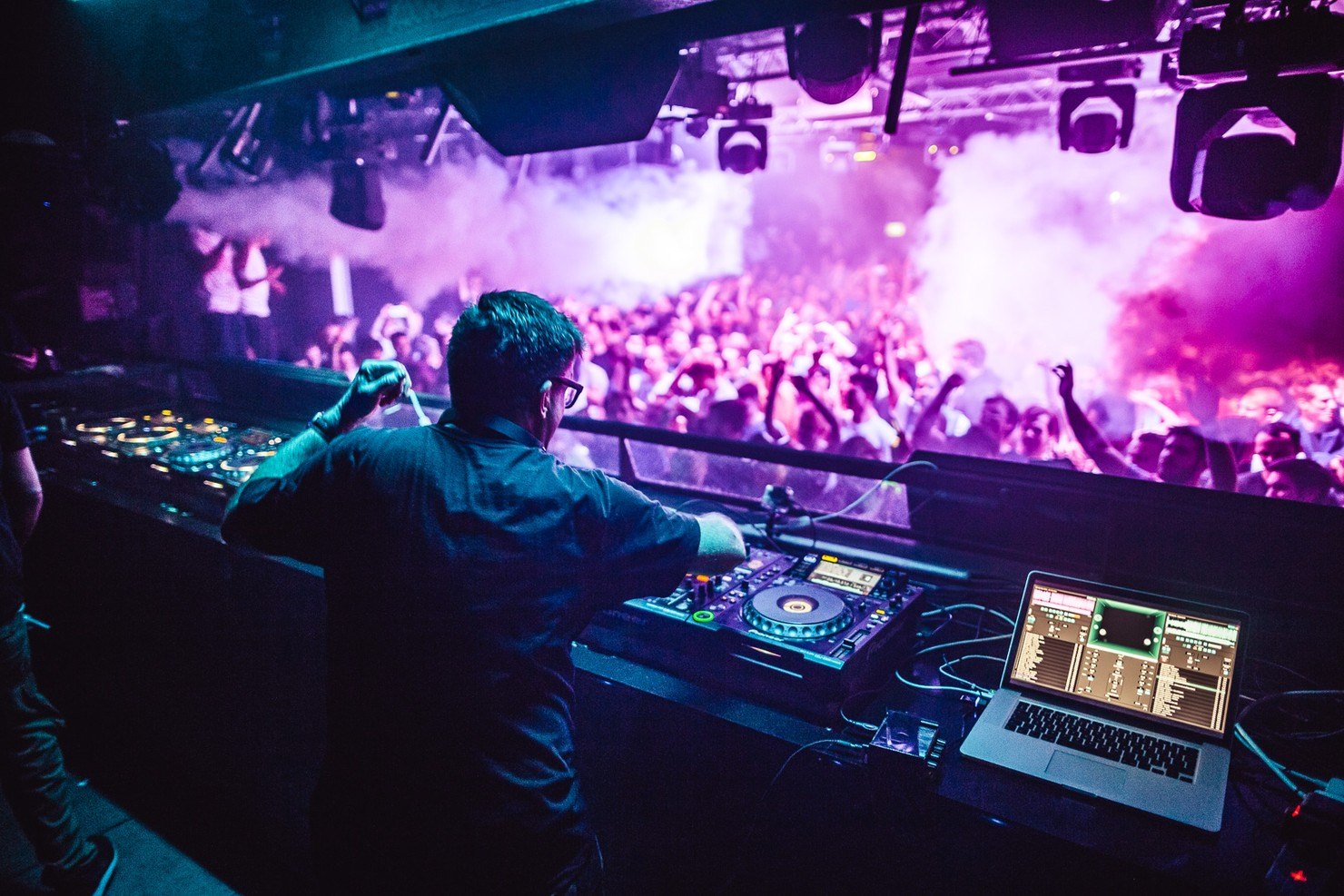
FIG. 01 · MINISTRY OF SOUND, 2008. A CLUB DANCE FLOOR RUNS AT ROUGHLY 94 TO 104 DB. Photo: Simon Green, CC BY-SA 2.0, via Wikimedia Commons.
A club dance floor runs at about 94 to 104 dB, a full day's safe noise dose in one hour to six minutes. HSE limits, NHS advice, earplugs and what DJs do.
A nightclub dance floor typically runs at 94 to 104 dB, in the Health and Safety Executive's representative figures for clubs. DJs' daily exposure sits at 93 to 99 dB. On that dance floor you use up the same noise dose as eight hours at 85 dB in anything from one hour to about six minutes. Filtered earplugs take roughly 9 to 25 dB off without turning the music to mush.
The odd part is who the law looks after. In a club on a Saturday night, the DJ and the bar staff are covered by noise rules. The people who paid to get in are not. So your ears are your job. The good news is that the cheapest fix is sometimes free at the bar.
How fast the dose runs out
HSE works with a simple rule, set out in Sound advice, its guidance for music and entertainment. Every 3 dB added doubles the sound energy, so the safe time halves. Its own example: an hour at 94 dB, "a nightclub bar", is the same dose as five minutes at 105 dB. The right-hand column below is that sum, worked out from HSE's rule.
| Level | Where you meet it | Time to a full day's dose |
|---|---|---|
| 85 dB | HSE's upper action value; NHS advice says probably fine for eight hours | 8 hours |
| 88 dB | Chamber music, in HSE's example | 4 hours |
| 91 dB | Just above 90 dB, where NHS advice is a break at least every two hours | 2 hours |
| 94 dB | A nightclub bar; the quiet end of a dance floor | 1 hour |
| 97 dB | Security staff exposure in HSE's club table | 30 minutes |
| 100 dB | The middle of HSE's dance floor range | 15 minutes |
| 104 dB | The top of HSE's dance floor range | About 6 minutes |
| 107 dB | HSE's recommended ceiling for audiences at events | About 3 minutes |
The rule is a workplace yardstick, not a legal limit for customers. It is still the best one there is.
The law looks after the staff
The Control of Noise at Work Regulations 2005 have covered music and entertainment since April 2008. Employers must assess the risk at a daily average of 80 dB. At 85 dB they must provide hearing protection. With that protection taken into account, workers must stay below 87 dB. HSE's guidance names DJs and bar staff among the people it protects.
For the crowd, HSE is plain: "there is no specific legislation setting noise limits for the audience". Its event guidance does make recommendations. An average of no more than 107 dB anywhere in the audience area. Warn people in advance where it is likely to pass 96 dB. Keep the audience at least 3 metres from any loudspeaker where practical, and never closer than 1 metre. That last one is the rule to remember on a Saturday: don't lean on the stack.
Foam, filtered or custom
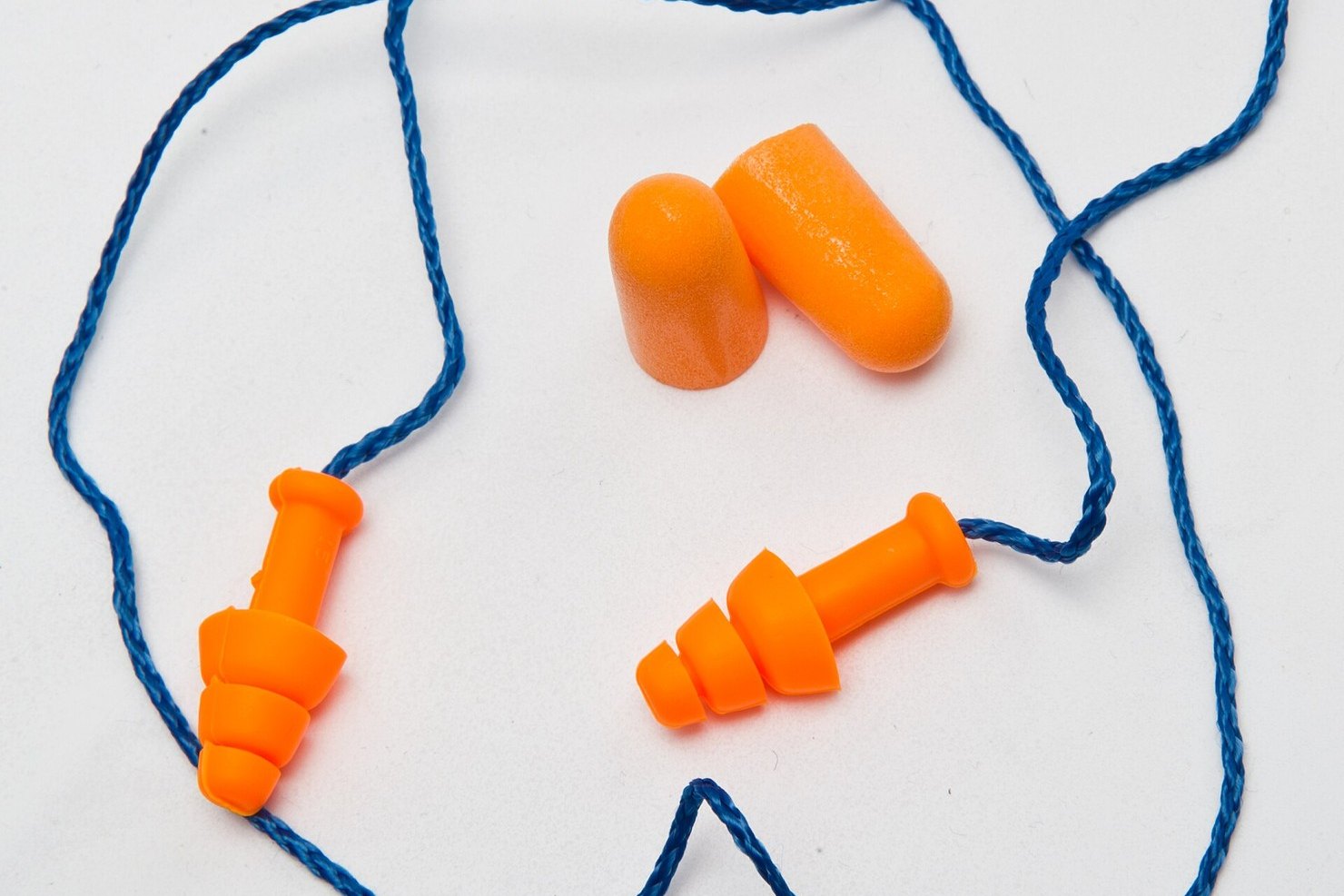
Foam plugs protect you, but they change the music. HSE's figures show why. A foam plug that cuts 25 dB at 125 Hz, where the kick and the bass sit, may cut almost 40 dB at 4,000 Hz. That is where the hats and the edge of the vocals live. The room goes muffled, as if the party had moved next door, and you are tempted to take them out.
Filtered plugs, which HSE calls "flat" or "uniform attenuation", cut levels almost equally across the range. The mix stays balanced, only quieter. Tinnitus UK recommends filtered or high-fidelity plugs for the same reason: they keep "the detail and balance of a performance".
- Foam: free or pennies. Roll it thin, pull the top of your ear up and back, push it in and hold it while it expands.
- Reusable filtered: RNID's guide puts music earplugs with acoustic filters on a range, from affordable reusable pairs to expensive custom-made ones. A reusable filtered pair is the right first buy if you go out most weekends.
- Custom-moulded: made from an impression of your ear canal and fitted with a filter. HSE mentions filters of 9, 15 and 25 dB. They cost several times the price of a reusable filtered pair, and the ear impression, taken by a hearing care professional, is usually extra. Worth it if you DJ or play live.
In the booth
The DJ gets the room and the monitor at once, for hours. HSE's guidance suggests earmuffs with sound restoration, or in-ear monitors, for DJs. In one club refit it describes, DJs were encouraged to avoid the monitor speakers altogether. It also tells the story of a 24-year-old DJ whose ringing after one loud night never fully stopped. That DJ now always wears earplugs to play. My advice to any DJ:
- Plugs in before the first record. Custom filtered plugs if you play every weekend. You will still hear every hat.
- Monitor low and pointed at your head. Loud enough to hear the incoming kick, no louder. If you are fighting the room, turn the monitor down, not up.
- Headphones at a sensible level. One ear in the cans, the other in the room. Don't make up for a loud booth with louder cans.
- Leave the booth between sets. HSE suggests performers move to a quiet area between sets.
Booth monitors have a way of creeping up over a night, and nobody ever admits to touching them. If you are learning, at the House of MNEEMO DJ School or anywhere else, learn to mix with the monitor low from day one. It is much harder to unlearn.
Who is trying to turn it down
Don't count on the venue for plugs. The FAQ pages of fabric, Ministry of Sound and Drumsheds all describe welfare or medical teams, and fabric points to quieter seating on the mezzanine above Room One. None of them mentions earplugs. Ask at the bar anyway, and bring your own.
Tinnitus UK is pushing the other way, with its Live Music Hearing Health Pledge for venues and promoters. At ArcTanGent festival this summer, the Manchester Centre for Audiology and Deafness worked with the organisers. Together they explored applying the WHO Global Standard for Safe Listening, including sound monitoring, access to hearing protection and quiet areas.
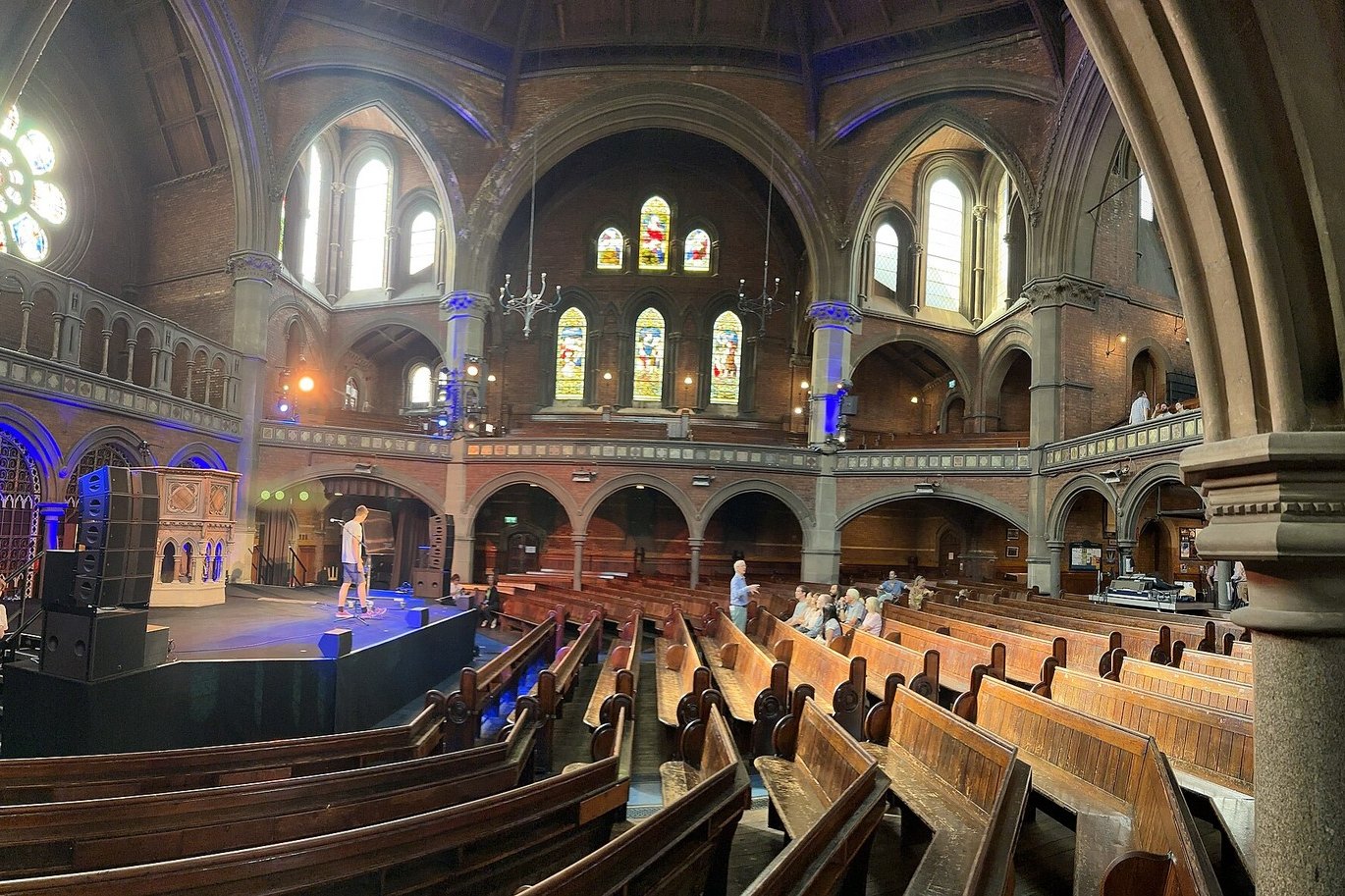
Tinnitus UK's summer round-up came out on 22 September 2026. It cites its data showing that 92% of gig-goers experience ringing in their ears temporarily after gigs, "while 40% of those experience it persistently". In February, during Tinnitus Week, it ran its first safe listening concert. The Quiet Night Out was at Union Chapel in Islington on Thursday 5 February. Justin Sullivan of New Model Army was among the performers, and the sound engineering was guided by the WHO standard.
The rooms with the biggest systems are in our guide to the best London club sound systems. Pack plugs for every one of them.
When ringing ears need a GP
Ringing or muffled hearing after a loud night is common, and it is still a sign of overexposure. The NHS says see a GP if you have tinnitus regularly or constantly, if it is getting worse, or if it is affecting your sleep, your concentration or your mood. Ask for an urgent GP appointment if it beats in time with your pulse. Go to A&E or call 999 if it comes after a head injury, or with sudden hearing loss, weakness in the muscles of your face, or vertigo.
FAQ
Are gigs any quieter than clubs?
Not in NHS audiology advice, which puts live music and nightclubs in the same band: 90 to 110 dB.
Do London clubs give out free earplugs?
Some do. Palais in Peckham lists free earplugs at the bar on its accessibility page. Elsewhere, ask, and carry your own.
Sources
- Health and Safety Executive: Sound advice (HSG260), control of noise at work in music and entertainment; the Control of Noise at Work Regulations 2005 page; the event safety noise guidance
- NHS: the tinnitus and hearing loss pages; Berkshire Healthcare NHS Foundation Trust, "Festival hearing protection, unpacked", 29 July 2026
- Tinnitus UK, "A Summer of Safer Listening: How We Worked with UK Festivals", 22 September 2026, its ArcTanGent 2026 report and its Quiet Night Out page; Union Chapel's Quiet Night Out listing; ENT and Audiology News, 6 January and 27 February 2026
- RNID, Types of hearing protection; Palais accessibility page (free earplugs at the bar); the fabric, Ministry of Sound and Drumsheds FAQ and essential info pages
Next in the magazine.
Best Sound System in a London Club 2026
Every Room Ranked by a DJ Scene26 JAN 2026House of MNEEMO DJ School
Built for the Stage
How to Become a DJ in London
The Decks Are the Easy PartWords by MNEEMORead