Casey Club: How a Bristol Bass Act Became 2026's Breakout
Who is Casey Club? The Bristol bass act behind Papi Riddim and the Borehole EP whose DJ co-signs and Beatport number ones made them 2026's breakout.
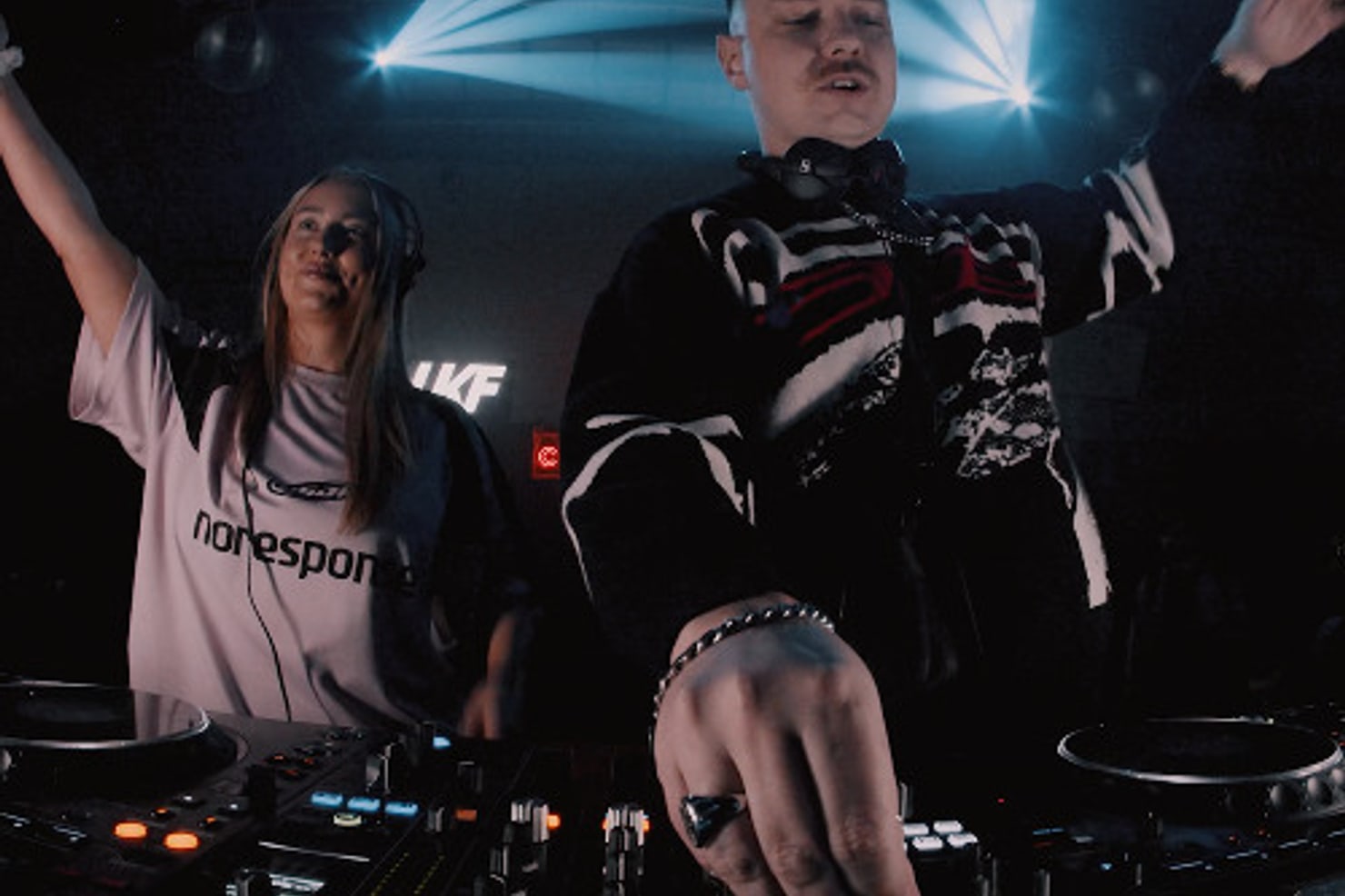
Casey Club did not break the usual way. There was no streaming smash, no viral lip-sync, no major-label push. There were dubs, DJ co-signs and a relentless run up the Beatport chart, and within two years that was enough to land a debut EP on one of dance music's most respected labels with two number ones to show for it. The Bristol bass act is the clearest example yet of how an underground producer actually breaks in 2026, and a reminder that the city which gave the world trip-hop and remains one of Britain's great bass strongholds is still exporting bass talent at pace. This is a working DJ and producer's guide to who Casey Club are, how they rose so fast, and why their story matters for anyone making bass music today. The facts below were checked against current sources in August 2026.
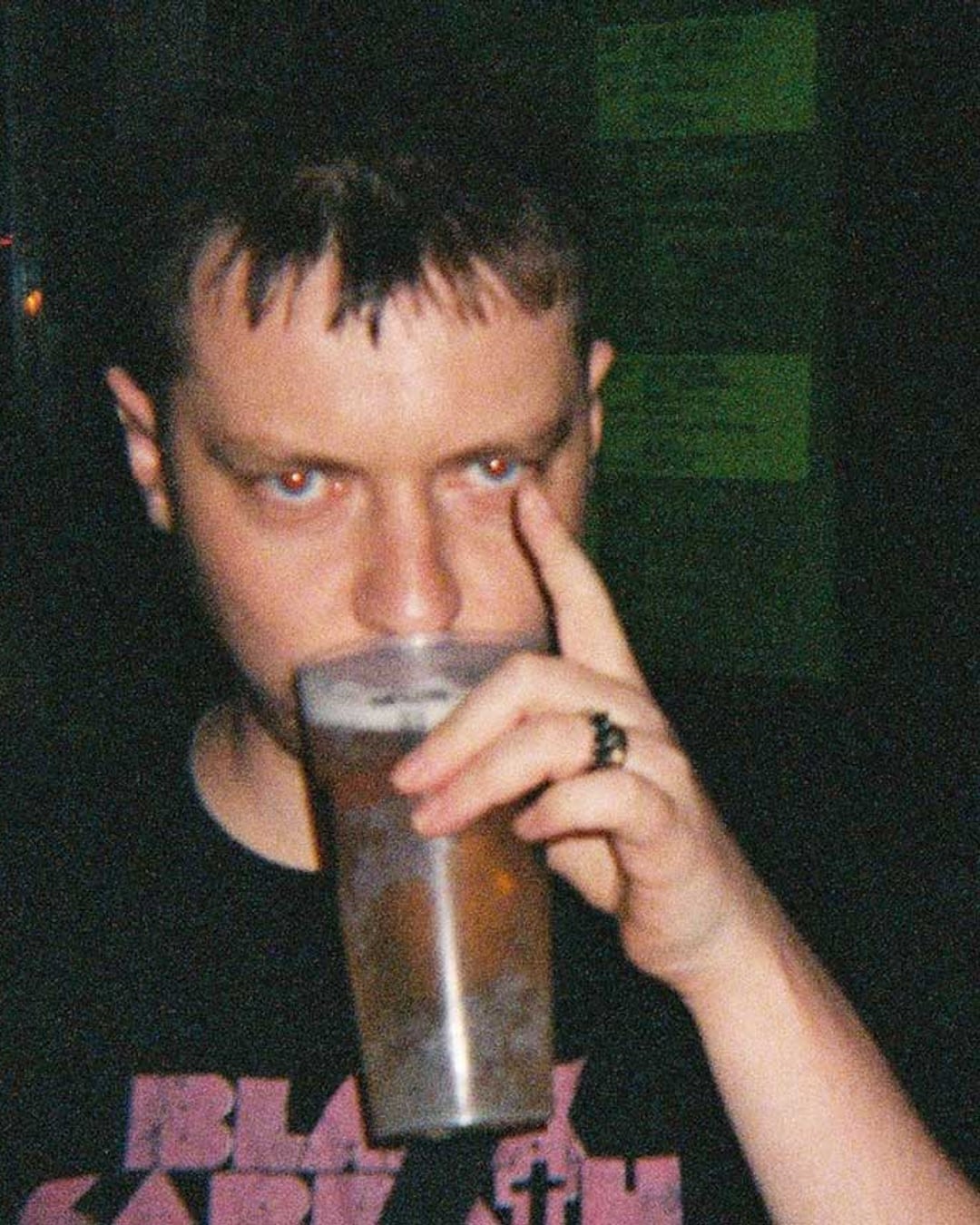
Casey Club at a glance
- Who: a Bristol-based UK bass act, signed for releases to UKF and, for their debut EP, to Zeds Dead's Deadbeats label.
- The sound: gritty, rave-ready bass music blending UK garage swing, dubstep, trap and drum and bass.
- Breakout track: "Papi Riddim", which spent around five months in Beatport's Top 10 Dubstep chart.
- Debut EP: Borehole, released on Deadbeats in January 2026, which scored a pair of Beatport chart-toppers behind them, 'Brostep Flow' at number one on the Dubstep chart with 'White Claw Wobbler' right behind it.
- Chart standing: finished 2025 as the fourth best-selling dubstep artist on Beatport.
- Co-signs: support from Chase & Status, Four Tet, Taiki Nulight, Notion, Zeds Dead, Subtronics and more.
- 2026: a first North American tour and a run of major festival bookings.
Who is Casey Club?
Casey Club is a Bristol bass project that has, deliberately, let the music do the talking rather than building a personality-led brand. It began as a duo and, in 2025, became a one-man operation after the other half, Chelsea, stepped away, with the same sonic DNA intact. Public details are otherwise kept light, which in an era of constant oversharing is itself a choice, and the focus stays on the records and the rave. What is clear is the trajectory: in roughly two years Casey Club has gone from the UK underground to high-profile releases, a pair of Beatport chart-toppers and a US tour, one of the fastest rises in current bass music.
The Bristol grounding matters. The city has a singular place in British music, the home of trip-hop, a cradle of dubstep and sound-system culture, and a place where bass weight is treated almost as a civic value. Casey Club is the latest name carrying that lineage forward, and the heritage is audible in music built first and foremost for a dark room and a big rig.
The sound: Bristol bass with a festival engine
The Casey Club sound is a fusion, and the fusion is the point. It takes the swing of UK garage, the menace and sub-pressure of dubstep, the snap of trap and the roll of drum and bass, and welds them into tracks engineered for peak-time impact. The production is precise, all surgical sound design and shadowy atmosphere, but the intent is pure function: these are records made to detonate in a set, often debuted as unreleased dubs long before they ever come out.
That is a meaningful distinction. Casey Club builds for the floor first and the streaming platform second, which is why their reputation was forged in DJ sets and on dubplate-style exclusives rather than on playlists. It is bass music in the truest, most physical sense, and it travels because the weight translates anywhere there is a decent sound system.
How Casey Club actually broke: dubs and co-signs
Here is the angle worth dwelling on, because it is a template. Casey Club's rise is a case study in how a bass act breaks in 2026, and it has almost nothing to do with the pop-chart playbook. It started with the tracks themselves doing work in other people's sets. "Papi Riddim" camped in Beatport's Top 10 Dubstep chart for around five months, a remix of "Nasty Girl" pushed past a million SoundCloud streams, and crucially, the gatekeepers of the scene started reaching for the music. Four Tet dropped "Brostep Flow" at the KIA Forum in Los Angeles, the track was premiered at Coachella on the Do LaB stage, and co-signs piled up from Chase & Status, Taiki Nulight, Notion, Zeds Dead and Subtronics.
That is the modern underground breakout in miniature. Not a marketing budget, but a body of rave-functional music validated by the DJs who actually move the culture, the same word-of-mouth, peer-respect engine that drives the UK bass and garage resurgence and the drum and bass world. When the right ten DJs believe in your dubs, the chart and the bookings follow. Casey Club proved it faster than almost anyone.
Borehole: the Deadbeats debut
The arrival moment was Borehole, Casey Club's debut EP, released on 16 January 2026 on Deadbeats, the influential label run by the Canadian duo Zeds Dead. Five tracks of guttural basslines and shadowy, peak-time energy, it blended UK garage, dubstep and trap into something distinctly their own: the trap-flecked title track, the wonky, hypnotic "Bear Trap" rolling into "Clicker", the mid-EP pressure of "Sol" and the deep-cutting closer "Iron Sights". It arrived with the act already holding a pair of Beatport chart-toppers, "Brostep Flow" at number one on the Dubstep chart with "White Claw Wobbler" right behind it. Landing a debut on Deadbeats is significant in itself; the label is a key bridge between UK bass and the North American festival-dubstep world, and putting Casey Club's distinctly British sound there is a statement about where the act is heading.
It capped a remarkable run. Casey Club finished 2025 as the fourth best-selling dubstep artist on Beatport, before they had even released a full EP on a major bass label, which tells you how much momentum the dubs and singles had already built.
Onslaught, Manga Saint Hilare and the 2026 singles run
The EP was a starting gun, not a finish line. On 13 February 2026 came "Bigger Amount" with the grime MC Manga Saint Hilare, a collaboration that pulls Casey Club's sound towards the vocal, UK-facing end of bass music and shows the garage-and-grime DNA was never just a texture. Then, on 6 March 2026, one of the most anticipated link-ups in UK bass finally dropped: "Onslaught" with Hamdi, two of the scene's fastest risers on one record after months of the track tearing up sets as an ID.
The release told you everything about how this corner of the scene operates. Rather than a press campaign, the pair marked it with a surprise pop-up launch party at The Croft in Bristol, a small room, short notice, powered by the local Dub Mantra crew, days before the single landed. A record built in the city's lineage, launched in one of its small venues, for whoever could get there in time: it is the dubplate culture that made both artists, translated into 2026. More is already circulating, including a Kyber collaboration called "Dial Up Riddim" that has been ringing out in sets as an unreleased dub, exactly the way "Papi Riddim" and "Brostep Flow" started.
A UKF artist on the US festival circuit
Casey Club's home for releases has been UKF, the long-standing bass-music institution, with EPs like Grill in 2025 building the catalogue, and the live story has scaled just as fast. They have moved from supporting NERO and Taiki Nulight at a sold-out London show to UK festivals like Love Saves The Day, Canada's Shambhala and a first North American tour in 2026, a run supporting Taiki Nulight's Cheeky Bugger 360 tour across North America through the winter and spring, plus festival slots at Lightning in a Bottle and ILLfest in May. New music keeps coming too, from the Mary Droppinz collaboration "Sofa Soup" to the long-teased team-up with fellow UK bass figure Hamdi, which finally landed in March 2026 as "Onslaught". The path from a Bristol bedroom to the American festival circuit, once a years-long grind, has been compressed into a couple of seasons, and Casey Club has walked it on the strength of the music alone.
The records that made them: Rob's influence map
Casey Club keeps the biography thin, but the influences are public, and they explain the sound precisely. In a UKF feature on the ten tracks that shaped the project, Rob, the producer now running Casey Club solo, traces everything back to hearing Flava D's "In the Dance" at a university house party, the record that pulled him into garage, production and DJing in one go; without it, he says, there is no Casey Club. From there the map reads like a syllabus for modern UK bass: My Nu Leng's "Senses" for the Bristol bass-house lineage, Simula and Alix Perez from drum and bass, Commodo's camp for deep dubstep, and Hamdi's "Counting" in its Taiki Nulight remix, a neat bit of foreshadowing given where the touring and collaborations ended up.
Two details stand out. He singles out the Deep Medi school of dubstep for sounding, in his words, so real and analog, which is exactly the physical, un-quantised weight Casey Club chases beneath the polished sound design. And he name-checks Bristol neighbours Para and Cesco, a reminder that the city's scene is not an abstraction in this story but a set of producers who live nearby and hear each other's dubs first. The influence list runs from jump-up to minimal to the Skrillex, Sleepnet and Joker collaboration "Tears", and that refusal to pick one lane is the whole Casey Club thesis.
How the tracks actually get made
For producers, Casey Club has been unusually open about process. A Magnetic Magazine production breakdown of the Grill EP, published in May 2025, laid the toolkit out: Serum as the main sound-design engine, custom wavetables scavenged from presets and forums, formant filtering and wavetable cycling to get the talky, "mouthy" bass character, and Ableton's humble stock Erosion plugin, whose sine setting produces the vowel-like tones listeners mistake for formant filters and whose wide-noise setting sprays stereo sparkle over the top of a loud sub. Multiband distortion via Saturn targets specific frequency ranges rather than smashing the whole signal, and ShaperBox adds the fluttering movement that keeps long bass notes alive. The self-description is disarming: a meat-and-potatoes approach to sound design, results over mystique.
The advice attached to it is worth pinning above any bass producer's desk: treat dubstep as an open creative space rather than a solved formula, study the drum and bass roots underneath UK dubstep, spend real time layering snares, and experiment with where the kick lands in a phrase. None of it is secret knowledge. That is rather the point: Casey Club's edge is not a locked folder of techniques but taste, iteration and an obsessive focus on how a track behaves on a big system, which is why the records keep working from a Bristol basement to an American main stage.
Autumn 2026: America again
The second half of 2026 doubles down on North America, and the bookings show how far the project has travelled since the Taiki Nulight support run. After a club date at Austin's Vulcan Gas Company on 8 August 2026, the diary runs through North Coast Music Festival near Chicago from 4 to 6 September, then Lost Lands in Thornville, Ohio from 18 to 20 September 2026, Excision's flagship bass gathering and the clearest possible signal that the American dubstep establishment has adopted the Bristol sound. October keeps rolling: Submersion in New Jersey from 1 to 3 October, Valley of the Seven Stars in Virginia from 9 to 11 October and Suwannee Hulaween in Florida from 22 to 25 October 2026.
Read that itinerary against the timeline and it is remarkable: two years ago this was an underground UK act passing dubs to DJs, and by this autumn it is a fixture of the US festival circuit without ever having softened the sound to get there. The strategy of putting a distinctly British record on Deadbeats, the bridge label between UK bass and North American festival dubstep, has done exactly what it was designed to do, and the wider story of UK bass as an export has few cleaner case studies.
Essential Casey Club tracks
If you want to understand the hype quickly, start with "Papi Riddim", the breakout that proved the chart staying power. "Brostep Flow" is the festival weapon that earned the Four Tet and Coachella moments. The Grill EP shows the range across garage and dubstep, and the Borehole EP is the fullest, hardest statement of the sound to date. Played loud, on something with a subwoofer, they make the case better than any review can.
Why Casey Club matters
Casey Club matters because they are proof that the underground route still works, and works fast. In an industry obsessed with streaming metrics and personal brands, here is an act that broke on dubs, DJ trust and physical, rave-built bass music, and turned it into Beatport number ones, a Deadbeats deal and a US tour inside two years. They carry Bristol's deep bass heritage into the global festival circuit without diluting it, and they offer a genuinely encouraging blueprint for every producer grinding away on tracks that only a handful of DJs have heard. Sometimes the music really is enough, and Casey Club is the current proof.
FAQ
Who is Casey Club?
Casey Club is a Bristol-based UK bass act known for gritty, rave-ready music blending garage, dubstep, trap and drum and bass. It started as a duo and became a one-man project in 2025, and otherwise keeps personal details low-profile, letting the records lead.
What is the Borehole EP?
Casey Club's debut EP, released in January 2026 on Zeds Dead's Deadbeats label. It features five tracks of peak-time bass music and scored a pair of Beatport chart-toppers behind them, 'Brostep Flow' at number one on the Dubstep chart with 'White Claw Wobbler' right behind it.
What is Casey Club's biggest track?
"Papi Riddim" was the breakout, spending around five months in Beatport's Top 10 Dubstep chart, while "Brostep Flow" became a festival favourite after Four Tet played it at the KIA Forum and it was premiered at Coachella.
What kind of music does Casey Club make?
Heavy, rave-focused UK bass that fuses UK garage swing, dubstep weight, trap and drum and bass, known for precise sound design and tracks debuted as unreleased dubs.
Who has supported Casey Club?
Co-signs have come from Chase & Status, Four Tet, Taiki Nulight, Notion, Zeds Dead, Subtronics and others, which helped drive the act's rapid rise.
Where is Casey Club from?
Bristol, the English city famous for trip-hop, dubstep and sound-system culture, whose bass heritage runs through the act's sound.
Is Casey Club a duo or a solo act?
It began as a duo and became a one-man operation in 2025 when Chelsea stepped away, leaving Rob running the project solo with the same sound and direction intact.
What is "Onslaught" by Hamdi and Casey Club?
A collaborative single released on 6 March 2026, uniting two of UK bass music's fastest-rising acts after months of the track circulating in DJ sets. They marked it with a surprise pop-up launch party at The Croft in Bristol.
Where is Casey Club playing in autumn 2026?
The autumn 2026 run is US-focused, including North Coast Music Festival near Chicago in early September, Excision's Lost Lands in Ohio from 18 to 20 September, Submersion in New Jersey, Valley of the Seven Stars in Virginia and Suwannee Hulaween in Florida in late October.
Sources
- Deadbeats and UKF artist pages and EDM Identity, Beatportal and Heard It Here First coverage of Casey Club, the Borehole EP, the move to a one-man project, the "Sofa Soup" collaboration with Mary Droppinz and the Taiki Nulight tour
- Beatport chart data on "Papi Riddim" and Casey Club's 2025 dubstep standing; UKF on the Grill EP and "Brostep Flow"
- Reports of Four Tet playing "Brostep Flow" at the KIA Forum and the Coachella Do LaB premiere
- Festival and tour listings for Love Saves The Day, Shambhala and the 2026 North American tour
- UKF features on the Bristol rave scene for heritage context
- The Daily Frequency on the Borehole release date (16 January 2026) and track details; UKF's "10 Tracks That Shaped Casey Club" feature for Rob's influence map and the Deep Medi and Flava D quotes
- Magnetic Magazine's May 2025 "How It's Made" breakdown of the Grill EP for the production techniques
- Apple Music, Beatport and Spotify listings for "Onslaught" with Hamdi (6 March 2026) and "Bigger Amount" with Manga Saint Hilare (13 February 2026); Resident Advisor listing for the Onslaught launch party at The Croft, Bristol; 1001Tracklists on the circulating "Dial Up Riddim" with Kyber
- Songkick and the Lost Lands site for the autumn 2026 North American dates
This guide is part of House of MNEEMO's ongoing coverage of the electronic and club music scene, written by London-based DJ and producer MNEEMO, with millions of streams to his name and a party series running through some of London's best clubs.