Barry Can't Swim: How Edinburgh's Classically Trained Producer Became a Festival Headliner
Who is Barry Can't Swim? Real name Joshua Mainnie, the Edinburgh producer behind When Will We Land?, Loner and festival-headlining emotional house, explained.
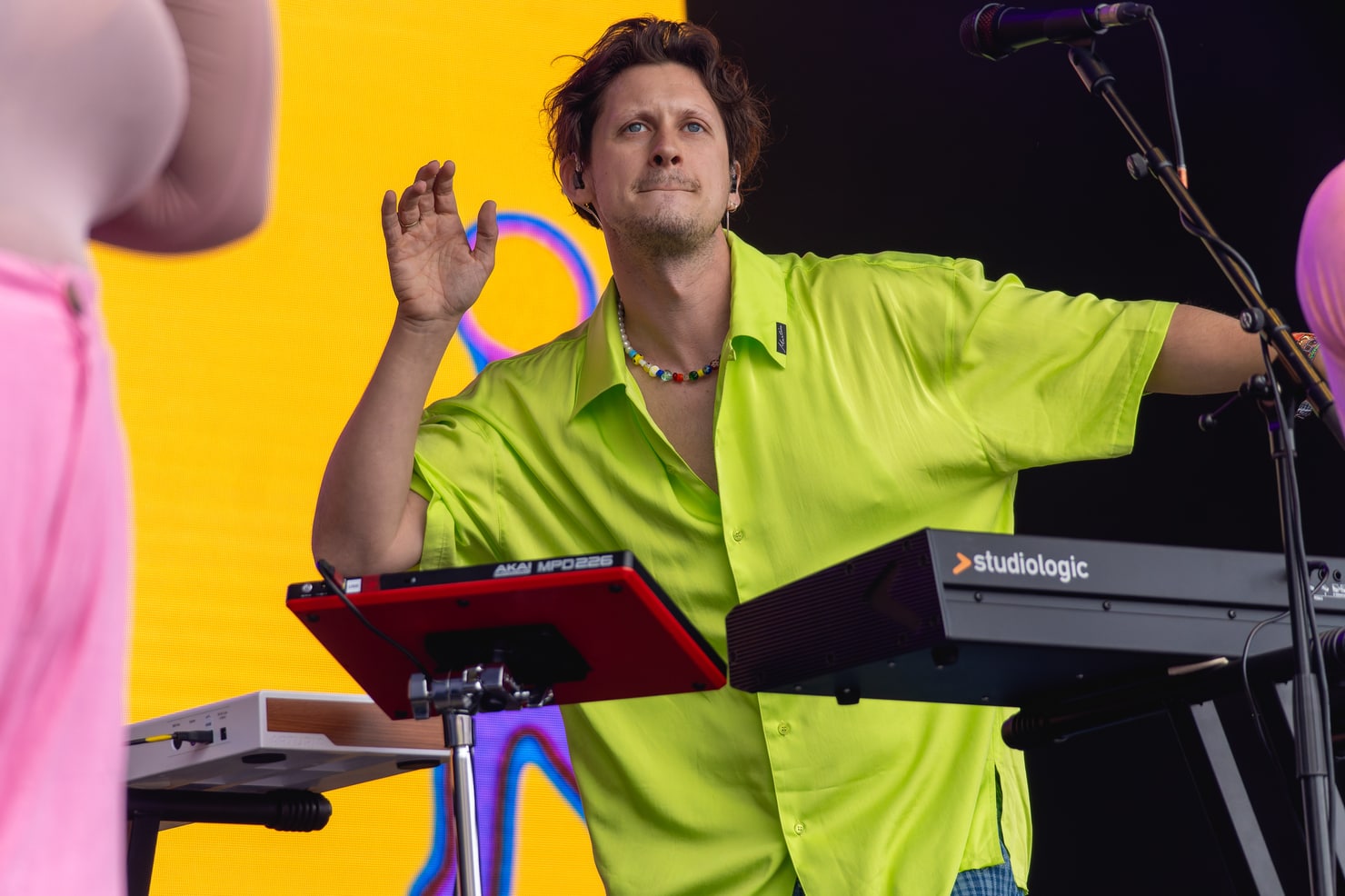
Barry Can't Swim makes dance music that cries a little, and it has carried him from Edinburgh piano lessons to the top of festival bills. In the three years since his 2022 breakthrough EP, Joshua Mainnie went from a producer with a funny name and a handful of warm, melodic house tracks to a Mercury-shortlisted album artist headlining All Points East and packing out American festivals. He did it without a single obvious drop, by treating house music as songwriting: melody, melancholy and groove over spectacle. This is a working DJ and producer's guide to who Barry Can't Swim actually is, where the name came from, the sound that made him, and why his rise says something hopeful about where dance music is going. His real name is Joshua Mainnie, and the facts below were checked against current sources in September 2026.
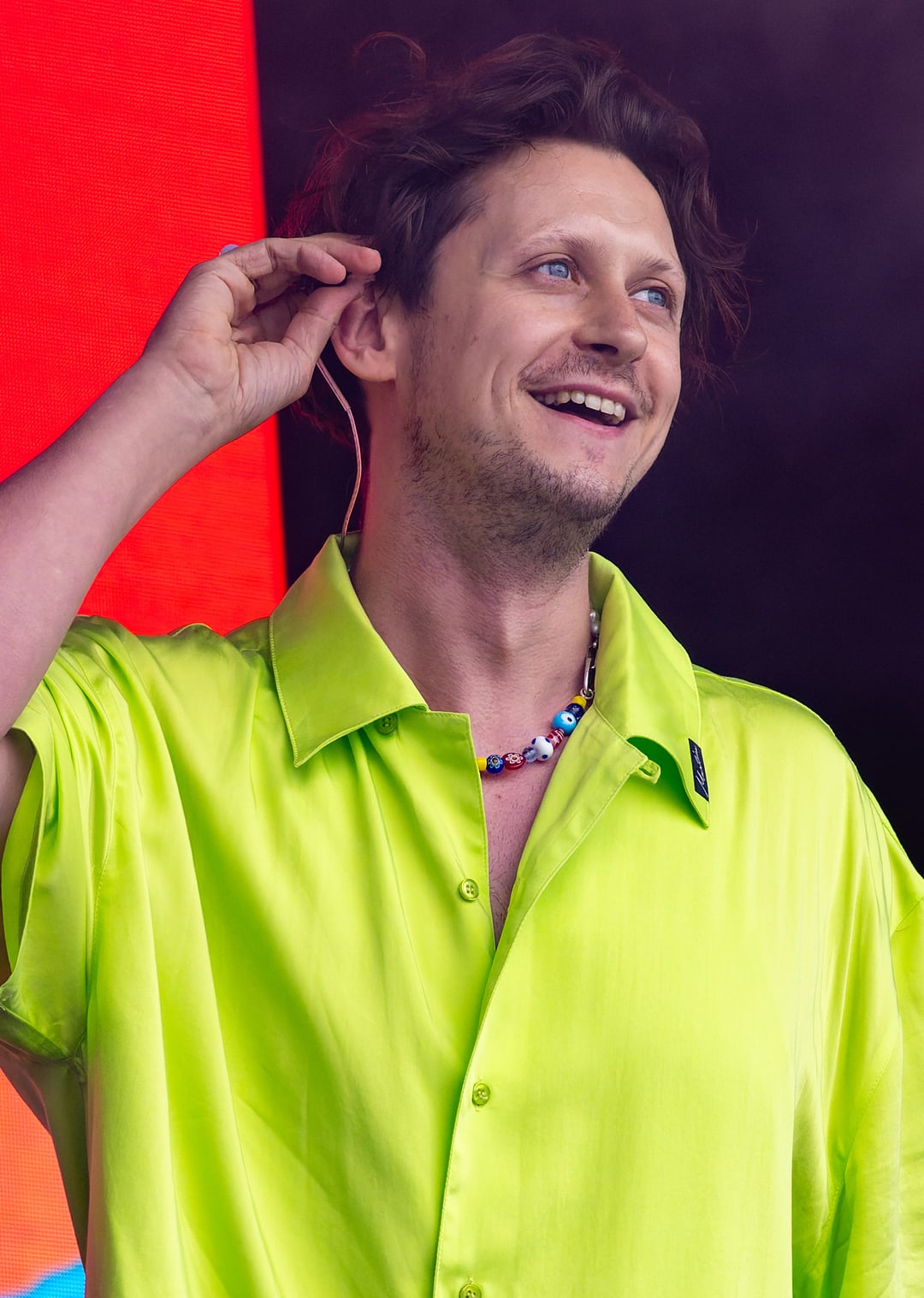
Barry Can't Swim at a glance
- Real name: Joshua Spence Mainnie, born 22 August 1992 (he turned 34 in August 2026), a producer and DJ from Edinburgh, Scotland, now based in London.
- Training: a classically trained pianist from the age of nine who went on to study music at Edinburgh Napier University.
- Label: Ninja Tune (and its Technicolour imprint).
- Debut album: When Will We Land?, released 20 October 2023, shortlisted for the 2024 Mercury Prize.
- Second album: Loner, released 11 July 2025, his first UK Top 10 album (No. 10) and a No. 1 on the Official Dance Albums Chart.
- 2026: the single "Chala (My Soul Is On A Loop)" (22 January), a Late Night Tales compilation (6 March), a BRIT nomination for British Breakthrough Artist, and the single "Return To Bhibo" (29 May).
- Awards: DJ Mag Best of British Breakthrough Producer (2023); 2024 Mercury Prize shortlist; BRIT nominations for Dance Act (2024) and British Breakthrough Artist (2026); top three in BBC Radio 1's Sound of 2025.
- Live: headlined All Points East in London in August 2025, played Coachella 2024, and was on the Movement bill in Detroit on 23 to 25 May 2026. In April 2026 he went back to back with Sammy Virji during Virji's two Alexandra Palace nights.
Who is Barry Can't Swim?
Behind the name is Joshua Mainnie, an Edinburgh producer whose story is closer to a jazz musician's than a club DJ's. He started on classical piano aged nine, after his grandfather spotted a 'free to a good home' advert for a piano in the local paper, and went on to study music at Edinburgh Napier University, and you can hear all of that training in the music: real chords, real melody, a feel for tension and release that has nothing to do with the standard build-and-drop formula. He is not a producer who learned house from a YouTube tutorial. He is a trained musician who chose house as the place to put everything he knew.
The project as we know it took shape after he moved from Edinburgh to London; his first EP, Amor Fati, came out on Shall Not Fade in July 2021. That background is the key to everything. Where a lot of dance music is engineered, Barry Can't Swim's is composed. He builds tracks that work on a festival stage and also survive being listened to on headphones on a quiet train, which is a much harder thing to pull off than it sounds, and the reason his audience reaches well beyond clubbers.
Why is he called Barry Can't Swim?
It is the first thing everyone asks, and the honest answer is refreshingly small. The name emerged in 2020 as Mainnie was launching the solo project, and according to his official bio it was simply "the first stage name that stuck" rather than a coded message or an inside joke with a grand backstory. There is no deep meaning to decode. That casual, slightly daft choice actually fits the artist: a serious musician who refuses to take the packaging too seriously, and who would rather the music carried the weight than the branding. The name is a shrug. The records are anything but.
The sound: jazz, Afrobeat and melancholy house
The Barry Can't Swim sound is lively, tuneful house with a thread of sadness running through it. The obvious reference points are jazz and Afrobeat, but he has also cited classic pop songwriting, The Beatles and Pink Floyd's The Dark Side of the Moon, and that pop instinct is what separates him from the purely functional end of dance music. His tracks are groove-forward, built to move a floor, but they are anchored by melodies you remember and an emotional tone that is warm and a little wistful at the same time. He has said he works best when he stops overthinking, that he is "at my best and most creative when I'm underthinking," and the records have that quality of feeling found rather than forced.
It is music about feeling rather than spectacle. Tracks like "All My Friends" and "Childhood" carry a nostalgia that is comforting and bittersweet at once, capturing moments that feel like they are already slipping away even as you dance to them. That tension, joy with an undertow, is the Barry Can't Swim signature, and it is why his records connect with people who would never describe themselves as ravers.
From "Sonder" to a Ninja Tune deal: the breakthrough
The rise was quick but not from nowhere. His early calling card was "Sonder", the standout from the 2022 EP More Content on Ninja Tune's Technicolour imprint, a breezy, mystical, Afro-leaning track that sent listeners somewhere far from a Scottish basement and announced a producer with a genuinely distinctive palette. It built the buzz that carried him onto Ninja Tune proper and into the run of singles that would become his debut album. By the time the full-length arrived, the groundwork of streams, sync placements and word of mouth was already laid.
When Will We Land? and the Mercury breakthrough
The album that changed everything was When Will We Land?, released on Ninja Tune on 20 October 2023. It gathered his warm, jazz-touched, globally-sampling house into a proper body of work and earned a shortlist place for the 2024 Mercury Prize, the award that recognises the best British or Irish album of the year across all genres. For a dance producer to land there, alongside indie, rap and pop records, is a serious marker of crossover credibility.
The album also showed his magpie ear for samples, and his luck with them. By his own account in interviews, the track "Always Get Through To You" was originally built around a sample of Pastor T.L. Barrett's "Nobody Knows", until, on the very day he sent the track to Ninja Tune, Loyle Carner released a single using the exact same sample, forcing a late rethink. It is the kind of small disaster that defines a record as much as the triumphs, and it speaks to how much of his music is assembled from the same deep crates of soul, gospel and jazz that the best UK producers share.
Loner: the album that sealed it
He followed the debut with his second album, Loner, released on 11 July 2025 via Ninja Tune. Rather than chase a bigger, brasher sound, he went deeper and more personal, a 12-track record drawing on jazz, ambient, house, broken beat and spoken word to land somewhere danceable and introspective at once. The lead single "Different", out in March 2025, became an instant live staple, and tracks like "Kimpton" with O'Flynn and "Cars Pass By Like Childhood Sweethearts" showed a producer widening his range without losing the emotional core.
The numbers and the critics agreed. Loner gave Mainnie his first UK Top 10 album and a number one on the Official Dance Albums Chart, scored 84 on Metacritic for "universal acclaim", and was named the best electronic album of the year by PopMatters, with The Times handing it four stars and calling it "the soundtrack to the summer". Mainnie himself described it as "the most authentic expression I could offer of myself and my life over the past year". It was the record that turned a promising crossover act into an established one, and confirmed the Mercury nod had been no fluke.
The 2026 run: Return To Bhibo and Late Night Tales
In 2026 he kept the momentum rolling. On 6 March he released his own entry in the long-running Late Night Tales compilation series, a real seal of taste-making approval: it was the series' first new mix in over five years and the opener of its 25th-anniversary year, a 20-track selection ranging from ambient piano to Moroccan jazz and IDM, led by the single "Chala (My Soul Is On A Loop)", out on 22 January. He was nominated for British Breakthrough Artist at the 2026 BRIT Awards on 28 February, where Lola Young took the prize, and on 29 May he returned with "Return To Bhibo", a euphoric, summer-ready single leaning into French touch and jazz. With his debut album alone past 100 million streams by the time Loner was announced, according to Ninja Tune, he is now operating at a scale few UK dance acts reach without softening their sound.
From bedroom producer to festival headliner
The live story is the most striking part. In August 2025, Barry Can't Swim headlined All Points East in London, alongside RAYE, The Maccabees and Chase & Status as the other headliners, a remarkable jump for an artist only two years on from his debut album. It is the full bedroom-producer-to-working-stage arc compressed into twenty-four months. He played Coachella in 2024, closing the weekend on the Do LaB stage with a surprise back-to-back alongside Bonobo. In April 2026 he went back to back with Sammy Virji from a booth in the middle of the Great Hall during Virji's two Alexandra Palace nights, and in May he was on the Movement bill in Detroit, held on 23 to 25 May 2026.
What makes it notable is how he headlines. There is no pyro-and-drops playbook here. His sets translate the albums' warmth and melody to a field of thousands, proving that emotional, song-led house can hold the biggest stages, not just the late-night basements. He has talked about why those rooms matter, describing dance music as people gathering to share "a moment in time with a bunch of people you've never met before and never seeing them again". It is the same appetite for feeling over spectacle that runs through the shift in club culture towards connection rather than the big moment, and Barry Can't Swim is one of its clearest success stories.
Essential Barry Can't Swim tracks
If you are new to him, a few tracks open the door. "Sonder" is the early breakthrough and the clearest statement of his Afro-leaning, jazz-touched palette. "Different" is the euphoric live anthem from Loner. "Kimpton" balances a danceable beat with heartfelt storytelling, and "About To Begin" is the bumping, synth-bright party side. "All My Friends" and "Childhood" are the warm, nostalgic heart of the project, the ones that explain why people get emotional at his shows. And the 2026 singles "Chala (My Soul Is On A Loop)" and "Return To Bhibo" show where he is heading, deeper into jazz and French touch without losing the floor.
Why Barry Can't Swim matters
Barry Can't Swim matters because he proves a point the dance world keeps forgetting: you can fill a festival headline slot with warmth, melody and melancholy rather than volume and drops. He brought a trained musician's ear for songwriting into house music, and the result connected far beyond the club, with a Mercury shortlist, a critically acclaimed second album, hundreds of millions of streams and a live show that makes strangers feel something together. In a scene that often rewards the loudest and the hardest, his success is a quiet argument for the opposite, and it is one of the more hopeful stories in UK electronic music right now.
FAQ
What is Barry Can't Swim's real name?
Joshua Spence Mainnie, born 22 August 1992. He is a producer and DJ from Edinburgh, Scotland, who records and performs as Barry Can't Swim.
Why is he called Barry Can't Swim?
The name emerged in 2020 as he launched his solo project, and according to his official bio it was simply "the first stage name that stuck" rather than a hidden reference. There is no grand meaning behind it, which suits his unpretentious approach.
Where is Barry Can't Swim from, and how old is he?
Edinburgh, Scotland; he is now based in London. Born on 22 August 1992, he turned 34 on 22 August 2026. He trained as a classical pianist from age nine and studied music at Edinburgh Napier University before moving into electronic music.
What are Barry Can't Swim's albums?
His debut When Will We Land? came out on Ninja Tune on 20 October 2023, peaked at No. 12 in the UK and was shortlisted for the 2024 Mercury Prize. His second album, Loner, followed on 11 July 2025, reached No. 10 in the UK and No. 1 on the Official Dance Albums Chart, and scored 84 on Metacritic.
What kind of music does Barry Can't Swim make?
Warm, melodic house with a melancholic edge, drawing on jazz, Afrobeat, ambient, broken beat and classic pop songwriting. It is groove-led but built around real melodies and emotional storytelling rather than big drops.
Has Barry Can't Swim won the Mercury Prize?
He was shortlisted for the 2024 Mercury Prize for When Will We Land? but did not win. He was nominated for Dance Act at the 2024 BRIT Awards and for British Breakthrough Artist at the 2026 BRIT Awards, which Lola Young won. He did win DJ Mag's Breakthrough Producer award in December 2023. Those nominations marked his crossover from the dance world into the wider music conversation.
What are Barry Can't Swim's best songs?
Fan and critic favourites include "Sonder", "Different", "Kimpton", "About To Begin", "All My Friends" and "Childhood", along with his 2026 singles "Chala (My Soul Is On A Loop)" and "Return To Bhibo".
Sources
- Wikipedia, MusicBrainz and AllMusic on Joshua Mainnie's biography, date of birth, Edinburgh background and discography
- Ninja Tune and Bandcamp pages for More Content, When Will We Land? and Loner; Wikipedia entry for Loner (tracklist, 11 July 2025, critical reception)
- NME, Mixmag and Rotate on the 2026 single "Return To Bhibo" and recent activity; DJ Mag, Clash, The Skinny and PopMatters reviews of Loner
- Mercury Prize 2024 shortlist coverage for When Will We Land?; NME and BRITs coverage of the 2026 Breakthrough Artist nomination
- Late Night Tales, Bandcamp, Clash and PopMatters on the March 2026 Late Night Tales: Barry Can't Swim compilation; Official Charts and The Times on Loner's UK Top 10 and Dance Chart number one
- The List and MusicTech interviews for quotes and approach; All Points East 2025 and Coachella 2024 via Wikipedia and Ninja Tune; Movement 2026 lineup page (movementfestival.com)
- Ninja Tune release pages for More Content (24 June 2022), Loner (12 tracks) and "Chala (My Soul Is On A Loop)" (22 January 2026); Late Night Tales product page (6 March 2026, 20 tracks); MusicBrainz for "Return To Bhibo" (29 May 2026); Brit Awards 2026 nominations
This guide is part of House of MNEEMO's ongoing coverage of the electronic and club music scene, written by London-based DJ and producer MNEEMO, with millions of streams to his name and a party series running through some of London's best clubs.